
It is crucial for all Muslims, particularly children and families, to learn and recite a legitimate dua to protect from evil eye. Al-‘Ayn, or the evil eye, is a real concept in Islam. The Prophet ﷺ said that, by Allah’s will, a person might be affected by jealousy and negative appearances.
Dua to protect from evil eye
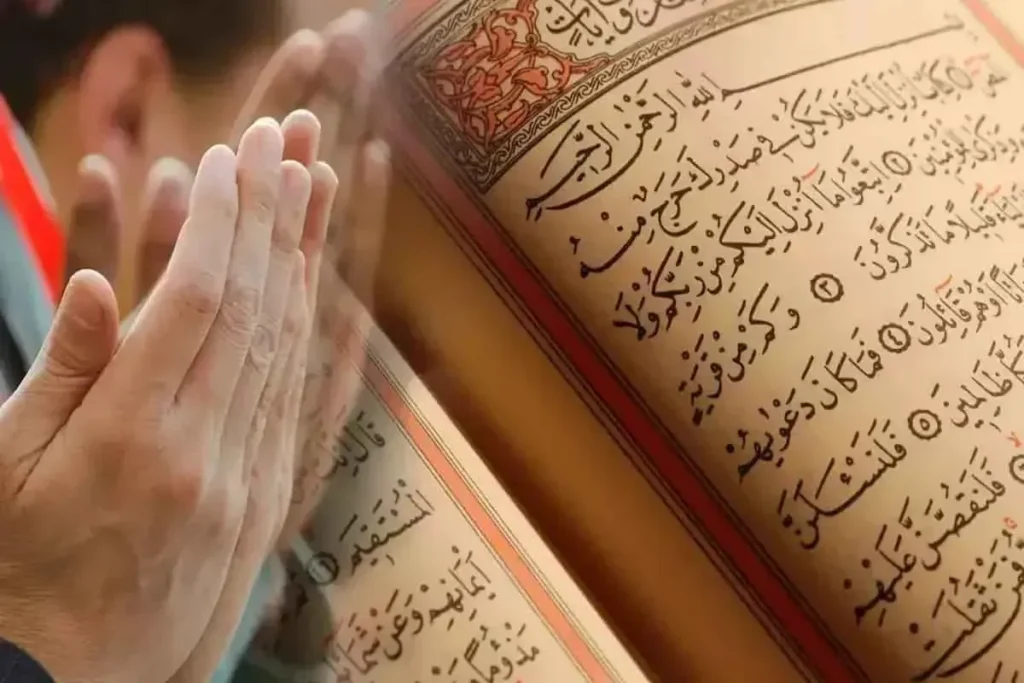
The harm caused by someone’s jealousy, envy, or even overwhelming adoration is known as the “evil eye.” Islam teaches that, even inadvertently, it can be harmful to one’s spirituality to gaze at another person’s benefits without uttering MashaAllah.
According to the Prophet Muhammad ﷺ: “There is a real evil eye.” (Muslim Sahih)
This demonstrates that Al-‘Ayn is neither superstition nor folklore. It is a genuine phenomenon that has its roots in Islamic teachings and is recognized in authentic Hadith. In Islam, the evil eye appears when envy or jealousy turns into invisible damage.
The Quran and Hadith’s Evil Eye
The evil eye is specifically addressed in both the Quran and Hadith. In Surah Al-Falaq (113:5), Allah states: “And from the envier’s evil when he envies.”
Prophet Yaqub (AS) cautioned his sons in Surah Yusuf (12:67) not to enter the city by a single gate out of concern that they might be harmed by jealousy.
Additionally, the Prophet ﷺ stated:
“The influence of an evil eye is a fact. If anything were to precede destiny, it would be the evil eye.” (Muslim Sahih)
This Hadith serves as a reminder that, despite the existence of the evil eye, nothing occurs without Allah’s will. We must look to Him for safety.
Does Islam Believe in the Evil Eye?
The Quran and Hadith (the sayings of Prophet Muhammad, peace be upon him) both confirm that the evil eye (ʿAyn) is genuine in Islam. It is a type of jealousy or spiritual injury that can be physically or psychologically upsetting, but it only affects a person with Allah’s consent.
Important Elements of Islam’s Evil Eye:
- Evidence: According to the Prophet Muhammad ﷺ, “the evil eye is real,” and it has the power to overrule divine decree, which means it may do serious, unanticipated harm.
- Source: Envy (Hasad) or deep appreciation of a benefit (money, health, beauty) without uttering Allah’s name (Masha Allah) is the root of it.
- Protection: Reciting the morning/evening Adhkar, Surah Al-Falaq, Surah An-Nas, and Ayatul Kursi is the main spiritual protection.
- Dua to Protect from Evil Eye – Prevention: Saying “Masha Allah, tabarak Allah” (Allah has willed it, blessed be Allah) when appreciating something keeps one’s own sight from hurting other people.
Contrary to popular belief, Islam prohibits the use of amulets, blue beads, or talismans for protection since doing so is considered shirk (associating partners with Allah).
Islam promotes trusting Allah for protection rather than being afraid.
Genuine Dua to Guard Against Evil Eye
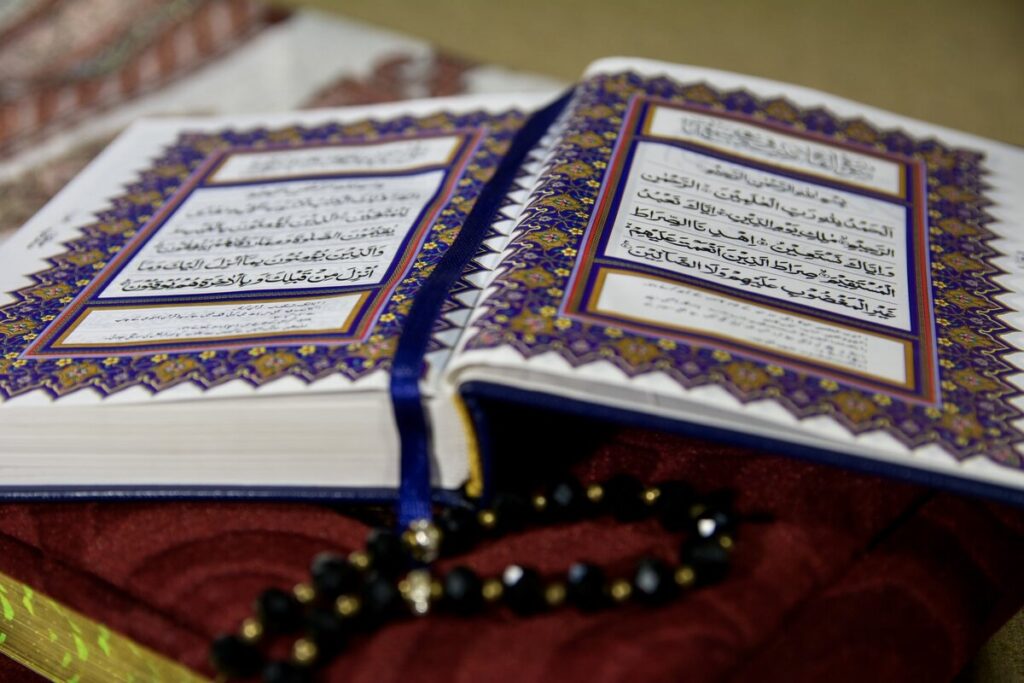
The Prophet ﷺ employed the following potent prayers for protection: “A‘ūdhu bi kalimātillāh at-tāmmāti min sharri mā khalaq.”
“I seek solace in Allah’s perfect words from the evil of His creation.”
Reciting a dua to protect from evil eye is another crucial kind of protection in addition to:
- Al-Falaq Surah
- An-Nas Surah
- Al-Kursi Ayat
For believers, these are effective everyday defenses.
Daily Spiritual Practice for Safety
It takes a mix of spiritual, behavioral, and environmental activities to protect yourself from the evil eye (Nazar, Ayin Hara, Malocchio). These techniques, which are based on conventional and spiritual principles, concentrate on fortifying your inner defenses, lowering vulnerability via humility, and erecting a shield of protection around your family and house.
- Adhkar (Remembrances) in the Morning and Evening: Three times in the morning and evening, recite the Mu’awwidhatayn (Surah Al-Falaq and Surah An-Nas).
- Ayat al-Kursi: As a potent shield, recite this verse (2:255) before going to bed and following each required prayer.
- Recite “A’udhu bi kalimaat-illahi at-taammaati min sharri ma khalaq” regularly as a protective prayer: “I seek refuge in the perfect words of Allah from the evil of what He has created.”
- Say “Masha’Allah la quwwata illa billah” (What Allah wills!) with awareness. When appreciating anything, including your own accomplishments, there is no power other than Allah.
- Daily Wudu (Ablution): Upholding a state of wudu contributes to the maintenance of a spiritual barrier.
Keeping Kids Safe from the Evil Eye
The Prophet ﷺ used to make dua over infants in order to ask for their protection. Nowadays, parents can:
- Before going to bed, recite protection prayers.
- Say adhkar in the morning and evening.
- Teach kids a few daily prayers.
- Steer clear of excessive exposure without remembering Allah.
- Maintaining this daily adhkar improves spiritual safety and identity for Muslim families residing overseas.
Islamic Evil Eye Physical Symptoms
- Certain illnesses that defy medical explanation are frequently classified as spiritual symptoms, even though physical problems should always be examined by a physician first.
- Feeling exhausted all the time, even after extended rest, is known as chronic fatigue. This is a deep, spiritual tiredness.
- Unexplained aches: Persistent shoulder heaviness, lower back discomfort, or frequent, changing joint aches.
- Skin Changes: Unexpected boils, rashes, or complexion changes that don’t go away.
- Worship-Related Symptoms: Prolonged yawning and copious tears while reciting the Quran or praying.
Symptoms of Emotion and Psychology
The psychological signs of evil eye in Islam might be significant since Al-Ayn has an impact on the heart and soul:
- Sudden Social Withdrawal: An unreasonable need to withdraw or a phobia of social events that were formerly enjoyable.
- Severe Anxiety: A persistent “chest tightness,” particularly at night or during Asr prayer.
- Loss of Ambition: An abrupt decline in academic or professional achievement (e.g., a top student suddenly unable to focus).
- Explosive Anger: Frequently becoming agitated about unimportant things, especially when it comes to loved ones.
Concluding Remarks: Dua to protect from evil eye
In Islam, the evil eye does exist, but Allah is incomparably more merciful. The Quran and Sunnah provide us all the tools we need to keep secure, including faith, patience, dua, and recollection.
Nothing can really damage you when your heart is filled with appreciation and faith.
Join Itqan Academy to understand Ruqyah, Quranic duas, and the deeper meaning of Islamic protection. Our online Quran courses assist you in comprehending the Quran and living by its teachings daily, rather than merely reciting it.