The process of memorizing the Quran may be made simpler, more structured, and more efficient by using the correct tips to memorize quran. Anyone may gradually improve their memorization of Allah’s verses with perseverance, commitment, and the correct approach. Although learning the Quran by heart is a lovely and fulfilling experience, many individuals have trouble remembering and being consistent.
Tips to memorize quran

The easiest way to memorize the Quran is to consistently repeat it every day, start with short, manageable passages like three to five lines, comprehend its significance, and use active recall (reciting without looking).
Reciting a passage ten to twenty times while looking, then reciting it from memory, and incorporating it into regular prayers are all effective strategies and tips to memorize quran.
The Psychology of Quranic Memorization
Memorizing the Quran (Hifz) is a demanding mental practice that raises IQ, increases memory retention, and improves cognitive performance.
Psychologically, it serves as a stress-reduction strategy, boosting life satisfaction and emotional resilience via disciplined discipline and spiritual fulfillment. Visual mapping, auditory rehearsal, and semantic encoding (understanding meaning) are important strategies, and it is an importanttips to memorize quran.
Benefits to Cognition and Psychology
- Brain Function & IQ: Like working out a muscle, memorizing the Quran improves working memory, attention, and concentration. Research shows benefits in serotonin levels, IQ, and quality of life (QoL).
- Mental Health: The procedure promotes emotional resilience while lowering anxiety and sadness.
- Discipline and Structure: Hifz’s regimen promotes self-control, mental discipline, and enhanced cognitive ability for academic assignments.
Memorization’s Psychological Causes
- Intrinsic Motivation: Success and persistence in memorizing are strongly correlated with high levels of personal, spiritual motivation (inner drive).
- Spiritual Identity: The process improves one’s sense of self and gives one a feeling of safety and direction.
- Accountability: Consistency and success rates are greatly increased by social assistance, such as having an instructor or joining a peer-run YouTube video group.
Hifz’s Cognitive Methods
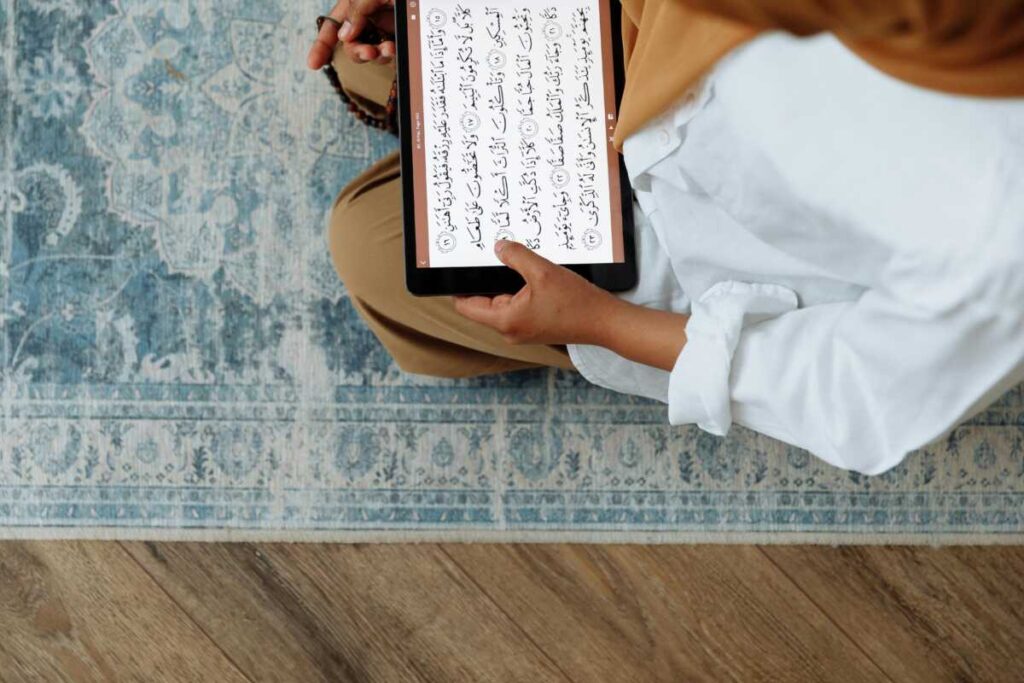
- Memory Systems: To remember verses, students frequently use semantic (understanding content), visual (looking at the page layout), and episodic memory systems.
- Rehearsal and Encoding: Active encoding, storage, and retrieval—often supported by As-Sulthan Journal of Education, spaced repetition—form long-term memory.
- Multi-sensory Approach: The memorizing process is more successful when auditory (hearing), visual (seeing), and semantic (meaning) coding are used.
Context’s Function
- Environment: Participating in dedicated Quranic centers like Itqan Academy promotes social interaction, which further improves wellness and life satisfaction.
- Age Factor: Online Quran Tuition memorization is most useful for building long-term memory capacity at a young age; it is good at any age.
The Ideal Time of Day to Learn the Quran by Heart
When we talk about tips to memorize quran, we should know that most people agree that the early morning, especially after the Fajr prayer, is the ideal time of day to memorize the Quran. This time is ideal for both fresh memory and retention since it combines spiritual benefits (Barakah) with the best mental clarity.
The Ideal Times to Learn by Heart
- After Fajr (Early Morning): Often regarded as the greatest hour because of the tranquility, lack of distractions, and mental clarity. Early in the morning, the Prophet Muhammad (PBUH) prayed especially for his community’s blessings.
- For profound concentration and spiritual tranquility, the Last Third of the Night (Tahajjud) is highly recommended.
- Before or After Bedtime: Sleep aids in the consolidation of memories from short-term to long-term storage, making it a good time to review verses.
- A peaceful period between Maghrib and Isha that is ideal for reviewing or, for some, daily memorizing.
Errors People Make When Learning the Quran by Heart
- Neglecting Revision (Muraja’ah): The most serious error is to put new memorization ahead of revisiting previously learned material, which causes learning to be forgotten.
- Overwhelming Goals: Burnout and poor long-term memory result from attempting to remember too many verses at once.
- Absence of a Teacher: Learning by heart without a trained instructor to fix pronunciation, Tajweed, and recitation errors.
- Poor Tajweed/Pronunciation: The meaning of the poetry can be altered by mispronouncing letters, changing vowels, or failing to understand Noon/Meem Saakin norms (e.g., misunderstanding س with ص.
- Rushing the Process: Prioritizing speed over consistency since information acquired quickly is frequently forgotten quickly.
- Dependency on Audio: Not actively reading and memorizing from a Mushaf (physical Quran), but just listening to reciters.
- Ignoring Context/Meaning: Memorizing passages without comprehending their context or meaning makes it more difficult to remember them.
Techniques to Prevent These Mistakes
- Revise a priority by devoting more time to revisiting previously learned material than to beginning new sections.
- Make Use of the Same Mushaf. To develop visual memory, use a single copy of the Quran.
- Prioritize quality above quantity: Try to eat modest, regular quantities (e.g., six ayahs in the morning, four in the afternoon, and four in the evening).
- Seek Feedback: Frequently recite to a trained instructor.
- Learn the basic principles of Tajweed to prevent word meanings from being altered.
The Top 5 Questions Related To Tips to Memorize Quran
How much time does it take to commit the Quran to memory?
It fluctuates a lot.
Hifz is often finished in two to five years by a regular student with a solid regimen. Depending on their pace and level of commitment, children may take longer or shorter.
When is the ideal age to begin memorizing the Quran?
Children between the ages of 6 and 12 pick things up rapidly, but anybody may start, including adults and seniors. Consistency is more important than age.
How many ayat should I commit to memory per day?
For novices, begin with:
1-2 lines every day, or one brief ayah
Students can construct up to half a page or a complete page with practice.
Is learning the Quran one-on-one more successful than group instruction?
Indeed. One-on-one instruction offers:
- Tailored care
- Quick adjustment
- Individual pace
- Enhanced concentration
With private instruction, the majority of pupils advance far more quickly.
How do I handle forgetting a surah that I have already committed to memory?
This is normal.
Until all surahs are recovered, use an organized revision strategy and go over them every day. Recall is also strengthened by continuously listening to the surah.
Memorizing the Quran is a lifetime endeavor that calls for perseverance, sincerity, and consistency. You can develop a solid and long-lasting relationship with Allah’s teachings by using the appropriate methods, modest amounts, repetition, listening, comprehension, and appropriate revision.
We hope that our tips to memorize quran benefit you. Start with a free assessment right now with Itqan Academy.