Muslims are commanded to read the Arabic-language Holy Quran every day to absorb its teachings. Why need Quran lessons for non-Arabs to comprehend the Quran when there are English versions, such as the plain Quran, that we can read? Let’s investigate.
Quran lessons for non-Arabs
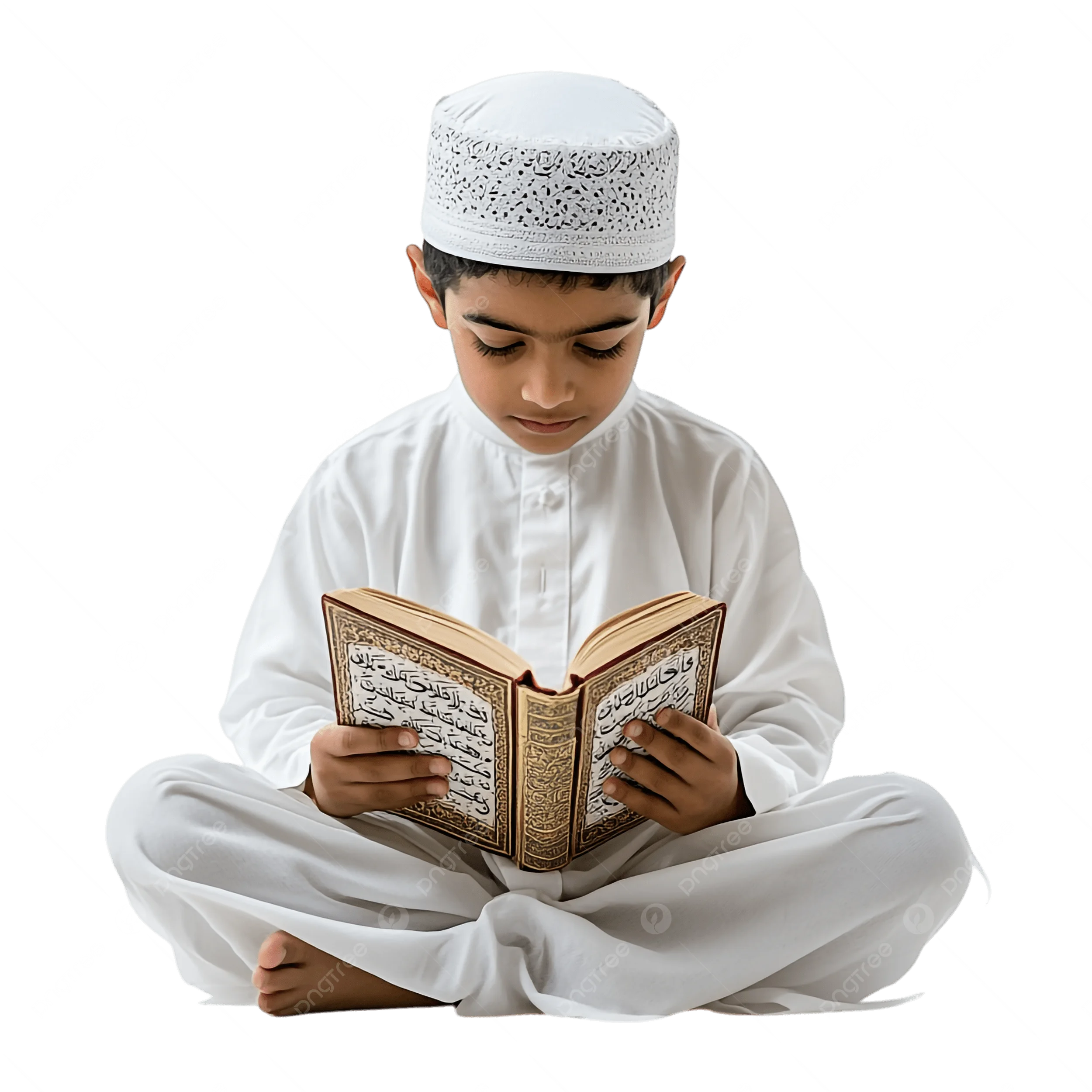
Arabic and Quran lessons for non-Arabs is becoming more and more important to non-Arabs, particularly Muslims. The language became extremely important in many spheres of society, including politics, business, religion, and education.
Arabic is a Semitic language. More than 500 million people worldwide speak Arabic as of 2021. It is one of the six official languages of the United Nations (UN) due to its widespread usage.
Arabic features distinct phonetics and diacritical marks in addition to its own alphabet and grammatical norms. For non-Arabs, particularly Americans and Europeans, this makes learning Arabic challenging.
The Itqan Academy offers a “Learn Arabic Language Course” for non-Arabs or those residing in non-Arab nations because of the significance of Arabic for non-Arabs.
Top native Arabic teachers provide a thorough and adaptable online Arabic language training for children and adults at “The Quran Classes.” Our instructor will guide you from a complete novice to fluent Arabic through one-on-one online lessons.
To effectively study Arabic online, you must know why you are learning the language. For this reason, we go into great length on the significance of the Arabic language in this essay.
The significance of Quran lessons for non-Arabs
Because of the religious, moral, and spiritual lessons found in the Holy Qur’an, memorization of the text is crucial for non-Arabic speakers for the following reasons:
-
Being aware of Islamic teachings
Non-Arabic speakers can better comprehend and apply Islamic principles in their daily lives by memorizing the Quran. Numerous guidelines, prohibitions, and mandates included in the Holy Quran assist Muslims in living morally and appropriately in accordance with Islamic principles.
-
Encourage spirituality
Reciting and memorizing the Holy Quran is crucial for fostering spirituality and strengthening a Muslim’s bond with his Lord. Numerous passages in the Holy Qur’an exhort Muslims to deepen their relationship with Allah and to become more devout, pious, and contemplative of God’s creation.
-
Maintaining the Arabic language
Since the Holy Quran is the foundational text of the Arabic language and its preservation, study, and memory are among the most crucial ways to conserve and advance the Arabic language, memorizing the Holy Quran aids non-Arabic speakers in maintaining the language of the Holy Quran.
-
Interaction with Muslims
Because the sacred Quran is the sacred book of Islam and is shared by Muslims worldwide, memorizing it facilitates communication between non-Arabic speakers and Muslims of other ethnicities and cultures.
-
Take pleasure in the lovely reciting
Because the Holy Quran contains several lovely and poignant phrases that captivate hearts and arouse emotions, memorization of the Quran makes it easier for non-Arabic speakers to appreciate its lovely recitation.
How Non-Arabic Speakers Can Learn the Quran by Heart
- Acquire Basic Arabic Knowledge by Quran lessons for non-Arabs: Learn the fundamentals of Arabic by concentrating on the letters, pronunciation, and common vocabulary.
- Make Use of Visual and Auditory Aids To reinforce learning via different senses. Make use of Quranic applications, movies, and audio recordings.
- Establish Realistic Objectives: Divide the memorizing process into digestible chunks and establish attainable benchmarks.
- Regular Practice: It is essential to practice consistently every day. To help you remember what you’ve learned, recite it often.
- Recognize the Meaning: To improve comprehension, study the verses’ meanings and Tafsir (exegesis) in addition to memorizing.
- Participate in a Study Group: Engage in online forums or study groups to exchange stories, get guidance, and maintain motivation.
- Consult a Qualified Teacher for Assistance: A skilled instructor may give encouragement, specific advice, and error correction.
Myths and Difficulties in Learning Arabic for the Quran
Quran lessons for non-Arabs are suitable for all people, but what are the myths and Difficulties in learning Arabic for the Quran?
Despite these illustrations, several myths and false beliefs deter non-native speakers from trying to become fluent in Quranic Arabic. Let’s tackle a few typical problems and misconceptions and dispel each one individually:
Myth 1: “Only Arabs or geniuses can master Arabic; it’s too difficult.”
Arabic, particularly the classical Arabic of the Quran, is known for being a challenging language. The strange writing and intricate syntax might be intimidating. Difficult does not, however, equate to impossible.
With consistent practice, thousands of non-Arab students with ordinary learning skills become fluent in Quranic Arabic each year. Consistent effort and quality education are crucial.
As one student put it, “I used to think that learning Arabic was hard.” After I disproved this notion, I picked up the language in just nine months. It changed how I felt about the Quran.
It wasn’t natural “genius” that made the difference, but rather approach and mentality. Even if you’re beginning from scratch and aren’t naturally “good at languages,” Quranic Arabic may be learned step-by-step with the help of contemporary instructional tools.
Myth 2: “You must begin at a young age.” Quranic Arabic cannot be mastered by adults
Many believe that mastery of Arabic can only be attained if one speaks the language from an early age or was raised speaking it. This is just untrue.
Children may take up pronunciation fast, but adult learners are frequently more disciplined and adept at studying. Numerous instances exist of adult reverts or non-Arab Muslims who started studying Arabic in their 30s, 40s, or later years and were proficient in comprehending the Quran.
One teacher even mentioned that he had a student who converted to Islam and began learning Arabic in his 50s, and that student’s Arabic improved significantly. Adults just learn differently, not worse, so it’s never too late. In fact, since they actively pursue it, which strengthens their faith, adults frequently see the beauty of Quranic Arabic more.
Conclusion about Quran lessons for non-Arabs
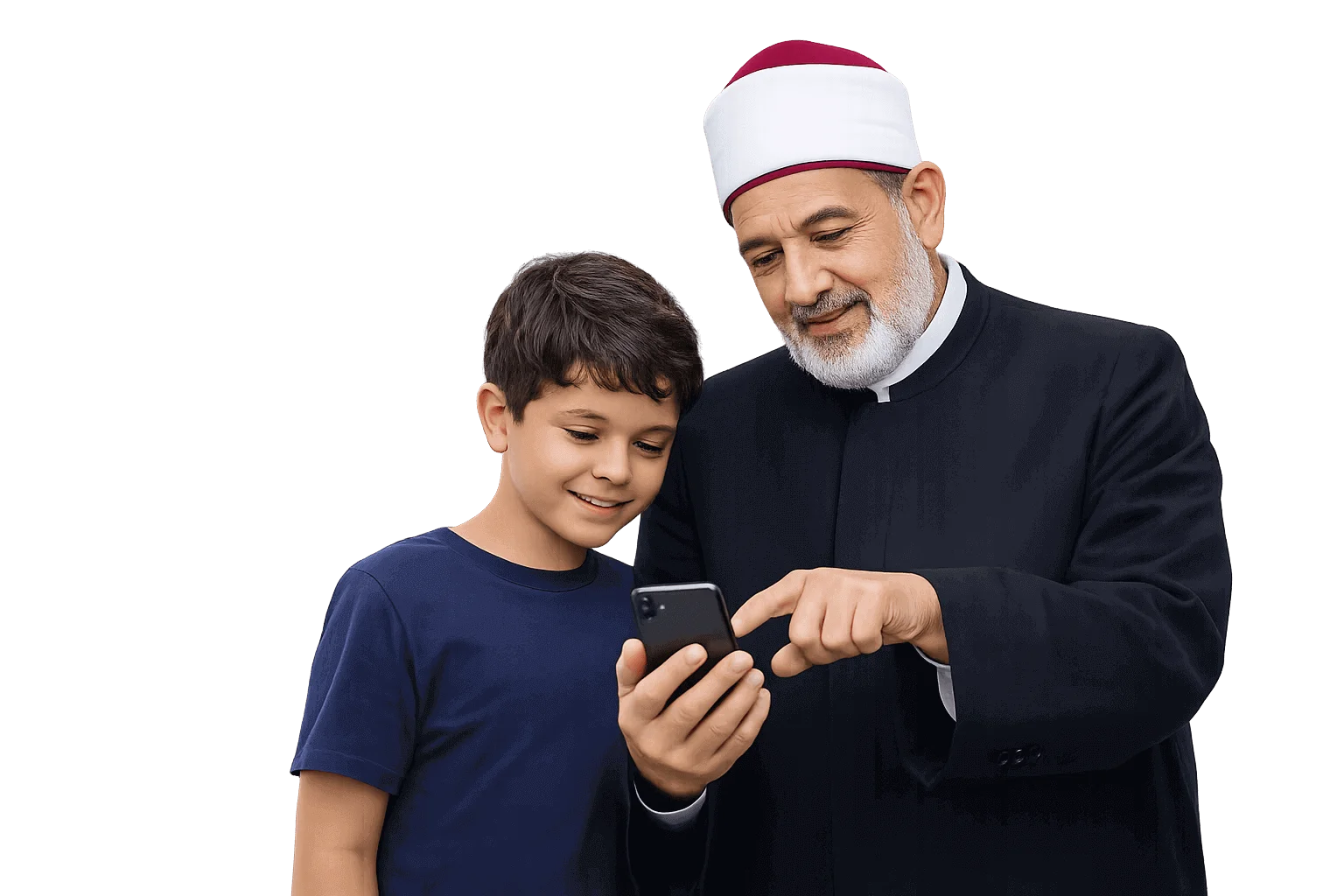
As a non-native speaker, learning Quran lessons for non-Arabs and the Quran is a rewarding and life-changing experience, especially with Itqan Academy. People can discover the beauty of the Quran and the Arabic language via focused study, instruction from knowledgeable teachers, and the use of interactive tools.
Accept this trip as a chance to develop your spirituality, strengthen your ties to your Islamic roots, and build deep relationships with the Arabic-speaking community. May you be fortunate and successful in your quest to learn Arabic and the Quran.