Do you know Eid al-Adha significance in Islam? The “Festival of Sacrifice,” or Eid al-Adha, is one of the most significant Islamic festivals. It commemorates Prophet Ibrahim’s steadfast commitment to God and his readiness to offer his son as a sacrifice. The celebration, which highlights obedience, almsgiving, and spiritual rejuvenation, marks the end of the annual Hajj pilgrimage.
Eid al-Adha significance in Islam
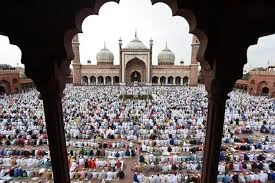
Eid-ul-Fitr, which marks the end of the Holy Month of Ramadan, and Eid-ul-Adha, the bigger Eid, which comes after the yearly Hajj journey at the time of Qurbani (sacrifice), are the two main Eids (Celebration Festivals) in Islam.
Despite having no direct connection to the Hajj pilgrimage, Eid al-Adha has historical significance because it falls just one day after the Hajj ends.
Eid al-Adha significance in Islam happens on the tenth day of Dhu-al-Hijjah, the last (twelfth) month of the Islamic Lunar Calendar. Following the completion of the yearly Holy Pilgrimage of Hajj, which is required of all Muslims who meet certain requirements and is one of the Five Pillars of Islam, the day of festivities is contingent upon a valid sighting of the moon.
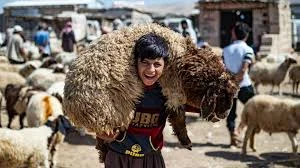
Eid-ul-Adha is celebrated to honor Prophet Ibrahim’s dedication to Allah SWT and his willingness to offer his son Ismail as a sacrifice. A ram had to be killed instead of Ismail’s son at the same moment of sacrifice, according to Allah SWT.
This instruction from Allah SWT tested Prophet Ibrahim’s readiness and dedication to blindly following his Lord’s will. Eid al-Adha refers to the holiday of sacrifice.
Spiritual Eid al-Adha significance in Islam
For Muslims, the narrative, customs, and practices of Eid al-Adha all represent more general spiritual models and values. Muslims use Eid al-Adha to consider how they might continue to carry out the lessons of the tale of Ibrahim (AS) in their own lives, actions, and religion.
Eid al-Adha significance in Islam and qualities may consist of:
-
Iman, or “Faith”
Islamic teachings most commonly characterize this as “belief in the heart, statement of the tongue, and action of the limbs.” Ibrahim (AS) believed in Allah (SWT) and informed himself, his son, and his family that he intended to follow Allah’s (SWT) directions, and he did so. He felt a tremendous amount of anguish and grief as he spoke and did these things, yet his faith and obedience remained unwavering.
-
Yaqeen, which means “certainty.”
Both Ibrahim and Ishmail (AS) were adamant about their relationship with Allah (SWT) and the morality of their obligations. Just as Ibrahim (AS) and Ishmail (AS) never even hesitated to carry out Allah’s (SWT) will, yaqueen is a state of having no doubt or hesitation. Yaqueen is a degree of faith that is based on your heart and expressed in all that you do. It transcends logical belief.
-
“Trust,” or Tawakkul
This is putting Allah (SWT) and their purpose above all else. “One who trusts in God is always led to God,” according to a published statement. Ibrahim’s iman (faith), yaqueen (certainty) in his faith, and the actions of Allah (SWT) were the reasons for his genuine and unshakable obedience.
Tawakkul, or implicit faith in Allah’s (SWT) intentions, was the reason he and Ishmail were free from uncertainty and hesitation.
-
Taqwa, or “God-consciousness”
One of the most facets of Eid al-Adha significance in Islam and other facets of the Muslim faith is this. It entails having real beliefs, acting with integrity, and staying loyal to Allah’s (SWT) desires.
Merely carrying out the needed actions is insufficient; they must be done with genuine intent, fully comprehending their significance, and accepting their obligations. Ibrahim was mentally and emotionally prepared to sacrifice his son to fulfill Allah’s (SWT) will; he did not put his knife to his son’s throat, knowing or expecting that Allah would step in.
How to be ready for 2026’s Eid al-Adha
You may make the most of these auspicious days of prayer and introspection by planning for Eid al-Adha and making sure you don’t miss any significant obligations like Qurbani.
Here are some ideas about Day of Arafah importance for getting ready for Eid al-Adha:
-
On your calendar, note the important dates:
You may prepare for giving Qurbani on time, getting ready for Eid prayer, and fulfilling family obligations by keeping note of potential dates for the virtues of Dhul Hijjah and Eid al-Adha.
-
Plan and deliver your Qurbani ahead of time:
Many individuals plan their Qurbani ahead of time to avoid last-minute hiccups and guarantee that their sacrifice is delivered on schedule, helping those in need on these auspicious days. You may assist some of the world’s most needy and underprivileged populations in celebrating Eid al-Adha significance in Islam by giving your Qurbani to Islamic Relief.
Consider what Dhul Hijjah means: Among the most moral days of the year are the first 10 days of Dhul Hijjah. You may make the most of this time by increasing your worship, donating to charity, and remembering Allah. Go here to learn more about the top ten days.
Common Questions Regarding the Day of Arafah importance
What wisdom underlies the sacrifice made on Eid al-Adha?
The purpose of the Eid al-Adha sacrifice is to honor Prophet Ibrahim’s tradition, strengthen the virtues of selflessness and submission to God, and foster societal cohesion and togetherness.
Is it possible for several individuals to share a single sacrificial animal?
Yes, a camel or cow sacrifice may be shared by up to seven persons. The sacrifice of lambs and goats is meant for a single individual or household.
If I am unable to slaughter the animal personally, what should I do?
If you are unable to kill the animal personally, you can assign someone else to do it on your behalf as long as they are a Muslim and invoke God’s name during the slaughtering process.
Conclusion
The numerous religious, spiritual, and societal facets of the Eid al-Adha significance in Islam. The sacrifice is more than just a religious rite; it’s a chance to deepen social ties, increase faith and devotion, and share happiness and love.
Itqan Academy hopes that this essay has made clear the significance of the Eid al-Adha sacrifice and assisted you in comprehending its many facets so that you may make the most of it.