In Islam, it is strongly advised for fasting in the first 10 days of Dhul Hijjah. The time frame, which runs from May 18 to May 26, 2026, offers enormous benefits. During this period, Allah especially loves righteous acts.
Fasting in the first 10 days of Dhul Hijjah
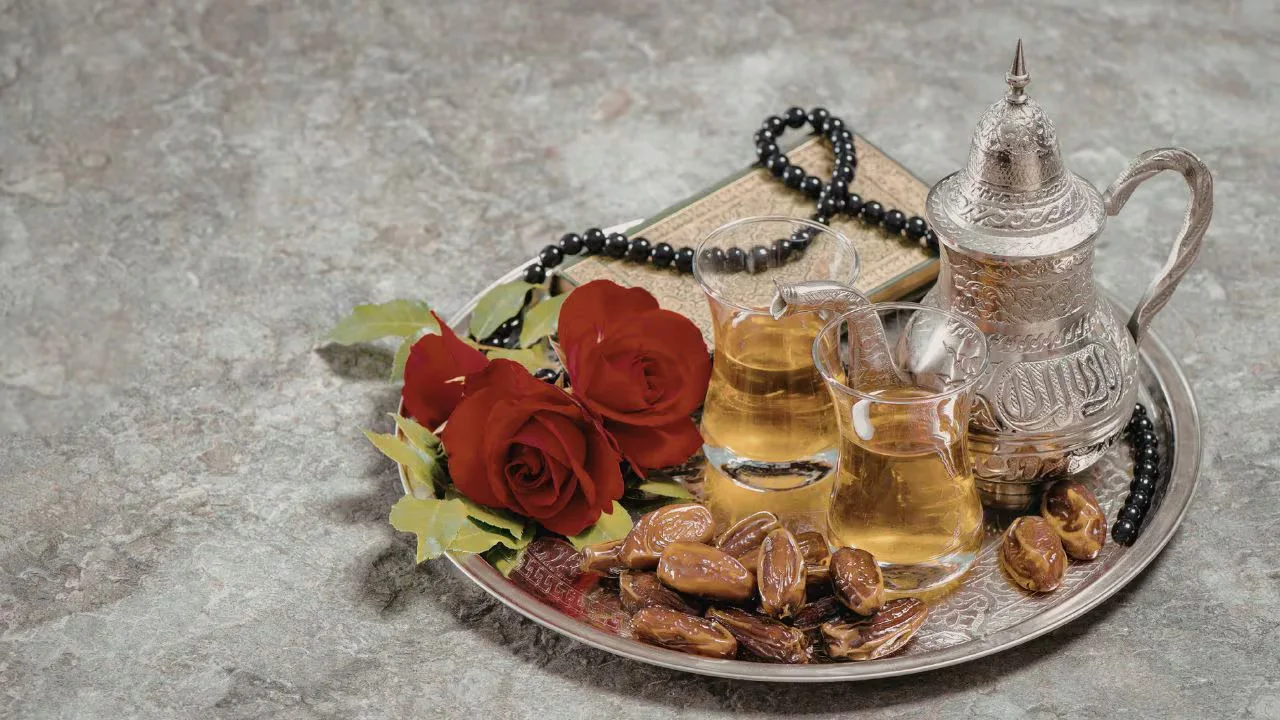
The first ten days of Dhul Hijjah, which follow Ramadan, are often regarded as the best days of the year and a second chance to atone for our sins and grow closer to Allah (SWT).
This Dhul Hijjah, many Muslims will be doing the Hajj, but even those who are at home may benefit much from these auspicious days.
During the first ten days of Dhul Hijjah, one of the four holy months in the Islamic calendar, our good acts receive increased rewards.
In order to maximize our worship and good acts while also strengthening our character, we should make the most of this valuable time and concentrate on our relationship with Allah (SWT) by fasting in the first 10 days of Dhul Hijjah and doing more good works.
Why is fasting in the first 10 days of Dhul Hijjah so unique?
According to the Prophet Muhammad ﷺ: “These ten days are the most favored by Allah for righteous deeds.” (Al-Bukhari, Sahih)
Several acts of worship that aren’t available at any other time of year are combined on these days, such as:
- Abstaining from food
- In prayer
- Dhikr, or remembering Allah
- Charity
- Hajj (for pilgrims)
- And also fasting in the first 10 days of Dhul Hijjah
As a result, academics stress that excellent acts during these times are rewarded with double the time.
Is it required to Fasting in the first 10 days of Dhul Hijjah?
Fasting throughout the first ten days of Dhul Hijjah is not mandatory in Islam.
In actuality, Islam only requires fasting during the month of Ramadan. Unless otherwise directed, any fasting outside of Ramadan is regarded as voluntary (nafl or sunnah).
Important decisions consist of:
- Fasting in the first 10 days of Dhul Hijjah is optional.
- During the first nine days, there is no requirement to fast.
- Fasting is officially prohibited on the tenth day (Eid al-Adha), but Muslims are rewarded for even one day of fasting.
This implies that we should prioritize quality worship over quantity rather than feeling compelled to fast for the entire nine days.
Why do Muslims observe a fast during Dhul Hijjah?
Muslims benefit greatly from fasting in the first 10 days of Dhul Hijjah due to the bounties that Allah bestows at this time.
Because it is a sunnah (tradition) of the Prophet Muhammad (peace be upon him), who fasted throughout the White Days and the first nine days, Muslims likewise fast on Dhul Hijjah.
“Take what the Messenger has given you; do not do what he has prohibited. And be afraid of Allah; His punishment is harsh. Surah Al-Hasr: 59:7 in the Quran
Additionally, fasting throughout Dhul Hijjah can help atone for sins, especially if it is done on the Day of Arafah, the ninth day of Dhul Hijjah.
On the Day of Arafah, Allah pardons all sins, no matter how numerous. Indeed, we must not undervalue Allah’s (SWT) enormous generosity.
Throughout the first eight days of Dhul Hijjah, Muslims can make up any fasts they missed throughout Ramadan. To receive its unique benefit, experts suggest fasting on the Day of Arafah.
“As for you staying till the evening in Arafah, then Allah descends to the sky of the world and He boasts about you to the Angels, and says: ‘My slaves have come to Me, looking rough, from every deep valley hoping for My mercy, so if your sins were equivalent to the amount of sand or the drops of rain or like the foam on the sea I will forgive them. So go forth, My slaves! Having forgiveness and for what or who you have interceded for.” Tabarani | Hadith
The Benefit of Fasting on Arafah Day
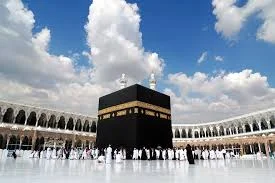
One of the finest voluntary fasts for non-pilgrims is to observe the Day of Arafah, which is the ninth day of Dhul-Hijjah. When asked about fasting on the Day of Arafah, the Prophet ﷺ responded as follows:
“It expiates the previous year and the coming year,” said a Muslim.
Arafah fasting reward is a wonderful attribute that demonstrates Allah’s compassion for His followers and how He makes forgiveness possible via actions that are simple for those He permits.
These days are a chance to:
- Develop a disciplined spiritual life
- Boost your awareness of God
- Get ready for Eid al-Adha
The Most Significant Fast on the Day of Arafah (9th Dhul Hijjah)
For individuals who do not undertake the Hajj, the Day of Arafah is the most important fasting day in Dhul Hijjah.
The Prophet ﷺ declared:
“The sins of the past year and the upcoming year are atoned for by fasting on the Day of Arafah.” (Muslim Sahih)
It is therefore among the most fruitful voluntary fasts in Islam.
The following are the advantages of fasting on Arafah:
- Two years of sin forgiveness
- Purification of the spirit
- A closer relationship with Allah
- A huge prize that is unparalleled by other days (not Ramadan)
It is forbidden to fast on Eid al-Adha, the tenth day of Dhul Hijjah
Eid al-Adha is celebrated on the tenth day of Dhul Hijjah. Today:
- It is not permitted to fast.
- Muslims conduct Qurbani (sacrifice) and celebrate Eid al-Salah.
- It is recommended to eat and show thanks.
- This is a crucial point since some people think that fasting lasts the entire 10 days.
Conclusion about Fasting in the first 10 days of Dhul Hijjah
For those who are not pilgrims, fasting in the first 10 days of Dhul Hijjah throughout the first nine days of Dhul-Hijjah is the most significant virtuous deed. The preceding year and the upcoming year are expiated, according to the Prophet ﷺ. Dhikr, du’a, repentance, and all other avenues of goodness should be used by those who are unable to fast.