
What is the importance of Hajj and Eid al-Adha? Two of the most revered religious holidays in Islam are the Hajj and Eid al-Adha, which are observed in Dhul-Hijjah, the 12th month of the Islamic calendar. While Eid al-Adha is the joyous festival of sacrifice enjoyed by Muslims worldwide, the Hajj is a mandatory, once-in-a-lifetime journey to Mecca.
Importance of Hajj and Eid al-Adha
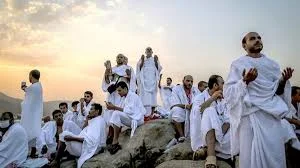
Every year, a sizable number of Muslim pilgrims gather in Saudi Arabia to celebrate the Hajj, participating in religious rites and acts of worship. They engage in what may be a once-in-a-lifetime spiritual encounter while carrying out a religious duty, which offers them the opportunity to ask God for forgiveness and the forgiveness of previous transgressions.
With a precarious ceasefire in the Iran War and associated tensions and uncertainties in the Middle East, the Hajj has been coming up this year.
Some Muslims who were in Saudi Arabia completing “Umrah,” also known as the smaller or minor pilgrimage, were caught up in the travel turmoil caused by the conflict earlier in the year. Some were lost and frantically tried to go home.
The yearly Hajj trip and the importance of Hajj and Eid al-Adha to Muslims are examined here.
What is Hajj?
Importance of Hajj and Eid al-Adha. In summary, one of the cornerstones of Islam is the Hajj.
Every year, Muslims go to Mecca, Saudi Arabia, for the Hajj, which entails a number of religious rites. Every Muslim who can afford it and is physically capable of doing so must do it once in their lives. Along with the declaration of faith, prayer, almsgiving, and fasting, it is one of the Five Pillars of Islam.
Eid Al-Adha: What is it?
The Islamic festival known as Eid al-Adha, or the “Feast of Sacrifice,” is observed during the Hajj on the tenth day of the Islamic lunar month of Dhul-Hijja.
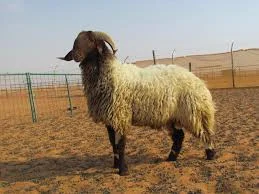
Eid al-Adha, a festive festival observed by Muslims worldwide, commemorates Ibrahim’s test of faith and his readiness to offer his son as a sacrifice to God. Muslims kill sheep or cattle during the joyous occasion and give a portion of the meat to the underprivileged.
Eid al-Adha, an Islamic holiday
The Islamic festival known as Eid al-Adha, or the “Feast of Sacrifice,” starts on the tenth day of the Islamic lunar month of Dhul-Hijja, which coincides with the Hajj.
In the light talk about the importance of Hajj and Eid al-Adha. Eid al-Adha, a festive event observed by Muslims worldwide, commemorates Ibrahim’s readiness to offer his son as a sacrifice to submit to God. Muslims kill sheep or cattle during the occasion and give some of the meat to the underprivileged.
What Does The Hajj Mean To Muslims?
In addition to fulfilling a religious duty, the Hajj is a profoundly spiritual experience for pilgrims. It is viewed as an opportunity to tread in the prophets’ footsteps, get closer to God, and ask for forgiveness for past transgressions.
Muslims from all different racial, ethnic, linguistic, and socioeconomic backgrounds come together to conduct religious rites and actions of worshiping God at the same time and location during the Hajj.
Many people experience a sense of equality, humility, togetherness, and connection as a result. Additionally, pilgrims arrive with their own requests, desires, and life experiences.
Many pilgrims carry requests for prayers from friends and family that they would like said on their behalf.
Some people save money and wait for a permit to travel, or they spend years hoping and praying to undertake the Hajj.
Packing a variety of necessities for the physically taxing journey, asking pilgrims for advice, attending lectures, or consulting other educational materials on how to correctly perform a series of Hajj rituals, and spiritually preparing oneself are all possible pre-trip preparations.
Why Do People Celebrate Eid al-Adha During the Hajj?
The relationship and importance of Hajj and Eid al-Adha are based on this question.
During the Hajj, Eid al-Adha is observed because
- It signifies the conclusion of significant Hajj customs.
- It honors Prophet Ibrahim’s (AS) similar deed of devotion.
- It permits spiritual participation by non-pilgrims.
Eid al-Adha is important for the Hajj because it serves as a link between pilgrims and those watching from a distance. Itqan Academy makes it easy for students to explore these deeper spiritual meanings by teaching them how Islamic rituals are interrelated and based on divine knowledge.
How Do You Get Ready for the Hajj?
Although the Hajj is primarily a spiritual obligation, it is also quite physically taxing, and Muslims worldwide are strongly encouraged to prepare for it.
Muslims are advised to physically prepare for the Hajj weeks in advance since pilgrims walk an average of 5 to 15 kilometers each day. This way, the system won’t be shocked by the necessary movement between destinations during the five to six-day trip.
The emotionally and spiritually taxing portions of the Hajj might be lessened by being physically prepared.
Importance of Hajj and Eid al-Adha & The Distinction Between Umrah and Hajj
Both the Hajj and the Umrah are considered holy pilgrimages in Islam, and they have many characteristics, customs, and rituals in common. But there are some significant distinctions, chief among them being that Umrah is a voluntary trip, whereas Hajj is a fifth pillar of Islam that all Muslims must perform if they are able.
Additional distinctions between the Hajj and Umrah are as follows:
- Umrah can be done at any time of year; Hajj can only be done between the eighth and the twelfth or thirteenth of Dhul Hijjah each year.
- Umrah can be completed in as little as one day, but Hajj takes five to six days, depending on whether the crescent moon is visible.
- In the Hajj, there are eighteen steps to complete; in the Umrah, there are many fewer.
Conclusion about the Importance of Hajj and Eid al-Adha
This is for the Hujjaj (pilgrims) who are really undertaking the Hajj at Makka and the surrounding areas. The Hajj is a major pillar of Islam and an event of enormous strength and spirituality.
No effort was made in Islamic history to explicitly link Eid al-Adha with the Hajj. Instead of Makkan 10th of Zul-Hajj, Eid al-Adha shall be observed on the locally agreed-upon 10th of Zul-Hajj.