Did you ask how to memorize quran? The process of memorizing the Quran requires self-control, commitment, and a strong spiritual bond. This tutorial dissects a methodical approach to memorizing the Quran, covering everything from daily review techniques to the need of constancy. Boost your hifz with tried-and-true methods and ageless knowledge!
How to memorize quran
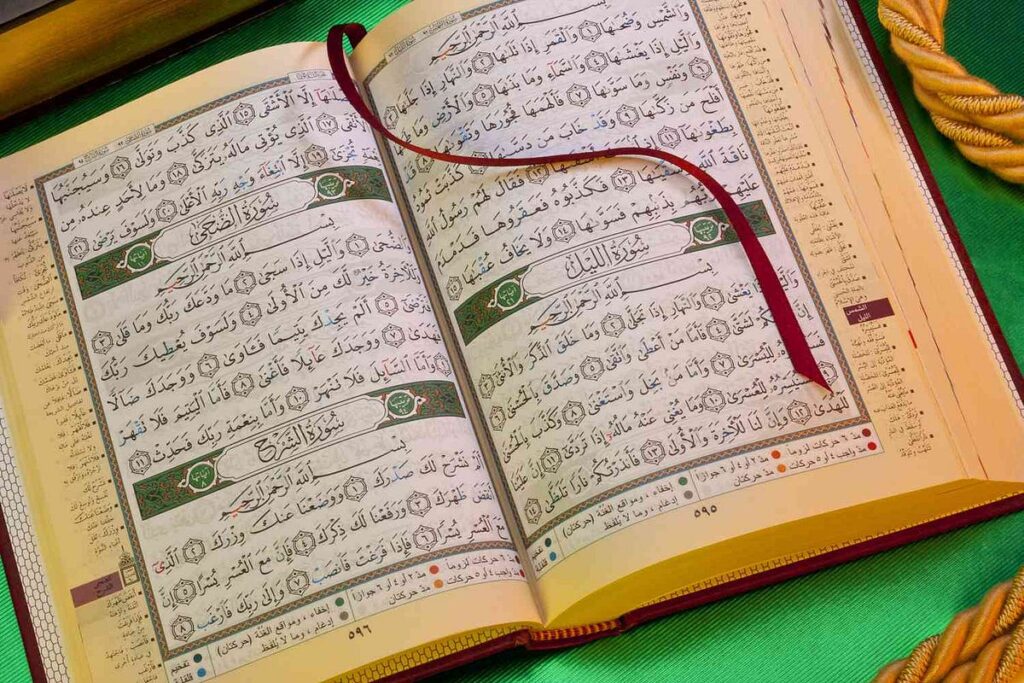
Islam promotes the active study of its own liturgical language, in contrast to many other religions. In actuality, a few passages from the Noble Qur’an must be committed to memory to do salah (prayer). Additionally, regularly learning and reciting the Qur’an in its original Arabic has several spiritual, emotional, and cognitive advantages.
When using the following study strategies, many people have a tendency to remember the Noble Qur’an more quickly. SubhanAllah, the human mind is capable of far more memory than we realize, but we still ask how to memorize quran?
How to Memorize Quran | A Comprehensive Plan for Memorizing the Quran
A methodical strategy emphasizing repetition and consistency is necessary for memorization of the Quran.
Reviewing previously taught information, remembering brief passages (such as five to ten lines) through ten to twenty repetitions, linking verses, and repeating them in salah are all important tasks. Large, infrequent sessions are less successful than regular daily practice, such as 30 to 45 minutes.
Getting Ready (The Night Before):
Go over this section: To become familiar with the text, read the intended verses ten to twenty times while examining the Mushaf.
Hear a Reciter: Before memorization, use audio to confirm proper pronunciation and Tajweed.
Daily Schedule for Memorization:
- Step 1: Review Previous Memorization (20–30 minutes): Prior to beginning new material, always go over recently remembered passages.
- Step 2: Spend 30 to 45 minutes memorizing new verses:
Take a few lines, for example.
Look at the Mushaf and repeat each stanza ten to twenty times.
Close the book and recite it from memory to give yourself a test.
- Step 3: Link the Verses Ten times, repeat the first and second verses together. Until the page is complete, keep doing this, making connections between the third and earlier verses.
- Step 4: Final Reinforcement: To reinforce the freshly learned page, recite it from memory ten to twenty times.
Long-Term Active Retention & Review:
- Use in Salah: In your regular prayers, recite the new verses.
- Listen Often: While driving or performing other duties, play the verses often.
- 21-Day Rule: To transfer the new material to long-term memory, go over it every day for at least 21 days.
- Regular Review System: To avoid forgetting, set aside a specific time to go over earlier Juz (parts).
Crucial Advice for Achievement: How to Memorize Quran

- Find a Teacher or Partner: Correcting errors requires reciting to another person.
- Start Small: To gain confidence, start reading the shorter Surahs toward the conclusion of the Quran (Juz Ammah).
- Consistency over Volume: Small, daily efforts are preferable to big, occasional workouts.
- Recognize Meaning: You can better relate to and recall the verses by reading the translation.
The Value of Hifz and Revision in Balance
In the Islamic religion, memorizing the whole Quran, or Hifz, is a highly esteemed accomplishment. It not only reveals a deep commitment to Allah’s message but also opens up a plethora of spiritual advantages for the individual.
The difficulty, though, is sustaining this memorization over time. To achieve long-term retention and mastery, it is not sufficient to only memorize the Quran; you must constantly review and reinforce what you have learnt.
For several reasons, it’s critical to find the ideal balance between learning new content (Hifz) and routinely reviewing previously taught material.
- Retention and Recall: Consistent review makes it easier for you to remember and recite the verses of the Quran, even years after you first committed them to memory.
- Deeper Understanding: You may develop a deeper comprehension of the meaning, context, and practical application of the verses you have committed to memory by going over them again.
- Spiritual Connection: You may get more spiritual sustenance from the lessons of the Quran by regularly reviewing and thinking about it. This enhances your relationship with the divine.
- Preventing Forgetting: The human mind has a natural tendency to forget previously learned information if it is not reviewed on a regular basis. This forgetting risk is reduced by striking a balance between Hifz and revision.
The teacher’s role
This is a thorough explanation of how to memorize Quran and how a teacher might help students memorize the Quran:
- Ensuring Tajweed and Accurate Recitation
Correcting Pronunciation: To stop faults from being internalized, a teacher listens to the pupil and corrects problems in letter articulation (makharij) and Tajweed regulations.
Talaqqi Method: In accordance with the Sunnah of listening, repeating, and having their reading confirmed right away, the learner sits with the instructor and learns by direct transmission.
Preventing Bad Habits: A teacher corrects mistakes before they get ingrained in the student’s memory.
- Organizing the Plan for Memorization
Setting Realistic Goals: To avoid overload, a teacher assists in determining the proper daily quantity of fresh memorizing (Sabaq or Sabqi) based on the student’s capabilities.
Managing Review (Muraja’ah): The instructor employs a rigorous, regular review approach, which is essential for memorizing verses because the Quran is known to be easily forgotten.
Ensuring Mastery: To ensure long-term retention, a skilled instructor won’t let a pupil go on to a new area unless the prior one is well-established.
- Motivation and Mentoring
Emotional Support: Hifz’s path is lengthy, and a teacher offers support when things get tough or motivation wanes.
Fostering Love for the Quran: The process is one of love rather than forced labor when a teacher helps the learner relate to the meanings of the verses (Tafsir) and instills reverence for the book.
Discipline and Accountability: Teachers help students develop a feeling of responsibility by holding them accountable for their daily goals.
- Adapting to Personal Requirements
Adaptability: Skilled educators determine whether a pupil learns best visually, audibly, or kinesthetically and modify their teaching strategies appropriately.
Managing Differences: They accommodate individual variations in memory capacity by offering additional assistance for challenging verses or when a learner is having trouble.
Conclusion Related to How to Memorize Quran
A significant step in fostering a lifelong spiritual journey is selecting the appropriate instructor to help you memorize the Qur’an with intonation.
In addition to teaching technical Tajweed abilities, a trained instructor also acts as a mentor, patiently and wisely advising students.
You may design an engaging and motivating learning environment by considering their experience, style of instruction, and compatibility with your objectives.
There are many local and online possibilities to identify qualified instructors in today’s connected society.
A deeper connection with the Qur’an is ensured by embracing this journey with sincerity and dedication, which enables students to live out its lessons. Mastering Qur’anic memorization and intonation becomes not only feasible but also a genuinely life-changing experience with the correct direction, persistence, and faith in Allah with Itqan Academy.