Both in written form and by memory, the Holy Quran has been meticulously preserved for centuries. Many Muslims are curious about the origins of this custom, and who was the first person to memorize the holy quran? Islamic history has traditionally revolved around the practice of memorizing the Quran, or Hifz. The Quran has been taught and remembered from the early days of Islam to guarantee that Allah’s words are correctly passed down from generation to generation.
Who Was the First Person to Memorize the Holy
Quran
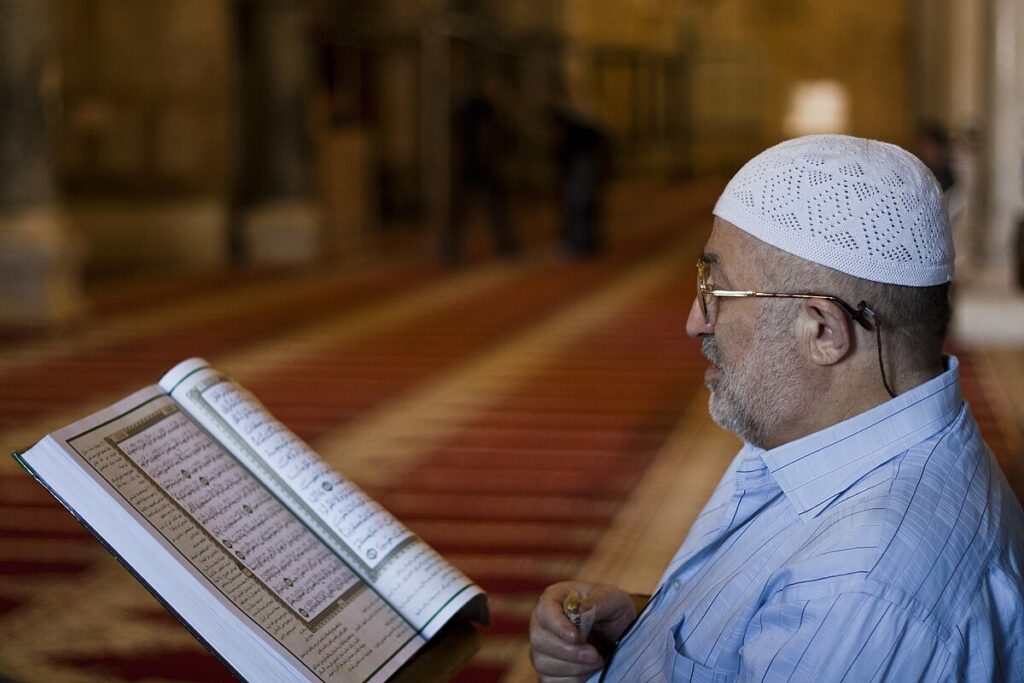
Who was the first person to memorize the holy quran? The Prophet Muhammad (peace be upon him) was the first person to commit the Holy Quran to memory. He became the first Hafiz (memorizer) when he instantly committed the poems to memory after the Angel Jibreel (Gabriel) revealed them to him over a period of 23 years. After that, he would teach his associates (Sahaba) the lines by reciting them. Do you know now Who Was the First Person to memorize the Holy Quran? Let’s discuss some important points:
Important points:
- Prophet Muhammad (PBUH): Because the Quran was revealed to his heart, he is regarded as the first.
- Companions (Sahaba): During the Prophet’s lifetime, several companions, including prominent individuals like Abu Bakr, Umar, Uthman, Ali, and Abdullah ibn Mas’ud, committed the Quran to memory.
- Early Memorizers: According to certain accounts, several of the companions were early, well-known memorizers of the entire book, including Zayd ibn Thabit.
The Prophet himself started the Hifz (memorization) tradition, which was passed down to his associates, guaranteeing its oral preservation.
How the Companions Learned the Quran by Heart
Under the guidance of Prophet Muhammad (PBUH), who taught, corrected, and recited the Quran, the Companions (Sahaba) committed it to memory over the course of 23 years through constant, piecemeal revelation.
Techniques included taking five to ten verses at a time, conducting daily Halaqas (circles), and—most importantly—learning to act upon the verses before continuing.
Important techniques for memorizing used by the Sahaba
- Gradual Learning: By revealing verses in phases, students were able to fully absorb their meaning before learning the next.
- The 10-Ayah Method: Before going on to the next set, companions such as Ubayy ibn Ka’b would study the interpretation and application of ten verses at a time.
- Oral Transmission & Correction: The companions would recount what the Prophet (PBUH) had said. He would ensure correctness by correcting their recitation and pronunciation.
- Halaqas (Study Circles): Sahaba congregated in circles, especially in mosques, for group memorizing and recitation, with teachers watching over groups to correct errors.
- Integration with Prayer: To strengthen retention, they included the recently learned scriptures into their everyday prayers.
- Repetition and Everyday Limits: To ensure regular, everyday practice, they frequently studied a certain number of verses in the morning and evening.
Companions recorded poems cautiously to guarantee preservation, even if oral memory (Hifz) was the main method. The emphasis was on comprehending and applying the Quran, which solidified it in their hearts, rather than only mindless memorizing, and that’s important to know when you want to discover who was the first person to memorize the holy quran.
Who was the first person to memorize the holy quran & what is The Significance of memorizing the Quran
In Islam, memorizing the Quran (Hifz) is crucial for maintaining the divine word, bolstering faith, and obtaining spiritual benefits. It improves cognitive function, cultivates a close relationship with Allah, and aids in the precise performance of daily prayers. The method guarantees that the Quran stays in believers’ hearts rather than only in books.
After we know who was the first person to memorize the holy quran, let’s discover that the following are some main justifications for the significance of learning the Quran by heart:
- Preservation of Divine Text: By avoiding changes, memorization guarantees that the Quran will be kept exactly as it was revealed.
- Spiritual and Everyday Benefits: It fosters a closer relationship with God, serves as a healing agent, and offers great benefits in this life as well as the next, such as an elevated position in Paradise.
- Enhanced Mindfulness (Khushu): Memorizing enables more in-depth contemplation and focus during regular, daily prayers.
- Character Development: It serves as a guide for day-to-day living and encourages piety, kindness of heart, and a greater comprehension of Islamic principles.
- Cognitive and Health Benefits: The method improves focus and memory, and research suggests that learning more of the Quran by heart is linked to a decreased risk of anxiety and depression.
- Community Role: In their communities, memorizers (Hafiz) frequently lead prayers and act as defenders of the religion.
The Hifz Tradition Is Still Upheld Today
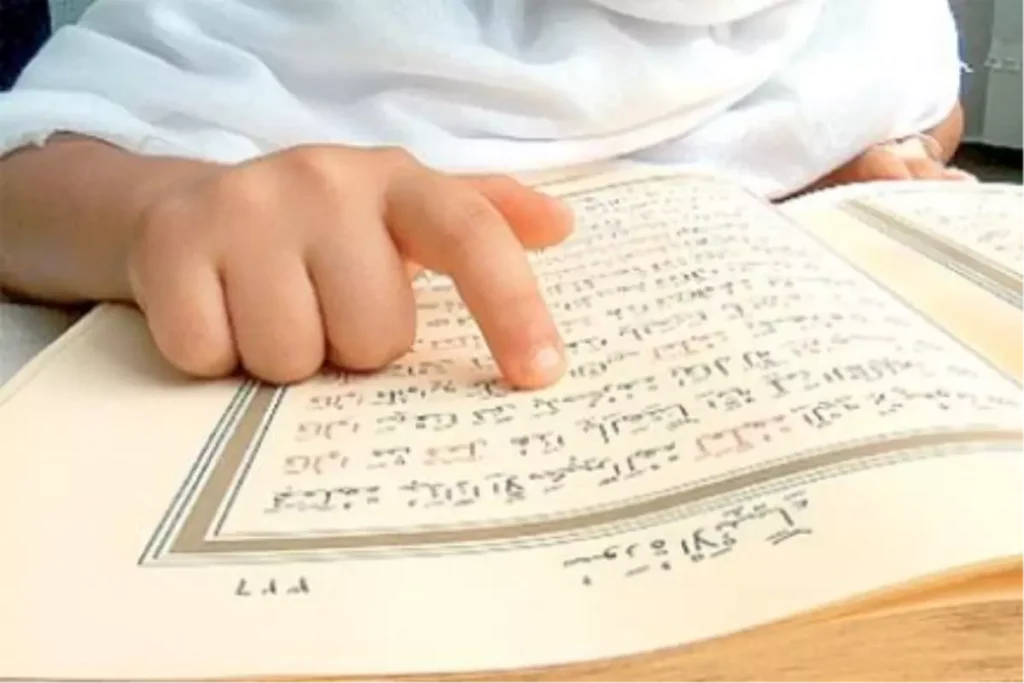
Surely, you know who the first person was to memorize the holy quran? Millions of Muslims worldwide, both young and old, commit the whole Quran to memory as part of the robust 1,400-year-old tradition of Hifz (memorizing the text).
This holy practice, which was first instituted by the Prophet Muhammad ﷺ and his companions to maintain the validity of the Quran, is seen as a great honor and a type of devotion that cultivates a close, intimate relationship with the words of God.
Here’s how the Hifz tradition is carried on to this day:
Contemporary Methods and Availability
- Organized Learning: Modern Hifz employs organized methods such as the 3-10 method (reading a verse ten times, then reciting it three times from memory) or the 6-4-4-6 method for complicated verses, but older methods emphasize repetition.
- Digital Tools & applications: Students can remember the Quran at home with the use of specialized software, online hifz lessons, and Quran memorization applications.
- Online Academies: For individualized instruction, platforms such as Itqan Academy provide remote, one-on-one sessions with qualified instructors.
- Community and Institutional Assistance
- Global Institutions: There are specialized schools, or “Madrassas,” throughout the world. Notable establishments include the Islamic University of Madinah, Darul Uloom Deoband in India, and Al-Azhar University in Egypt.
- Hifz Programs: Many Islamic schools have incorporated Hifz programs, which let kids remember, in addition to their mandatory 12-year education.
- Ramadan contests: Communities frequently encourage motivation by holding yearly Hifz contests with prizes for participants, such as those that concentrate on certain chapters like Surah Al-Baqarah.
Conclusion Related to Who Was the First Person to Memorize the holy quran
Knowing who was the first person to memorize the holy Quran by memory demonstrates the great care Muslims have always taken to preserve Allah’s teachings. One of the most revered customs in Islam is the memorization of the Quran, which started with the Prophet Muhammad ﷺ and continued through his followers.
Join our online Quran memorization program with certified instructors who lead students step-by-step in a disciplined and encouraging learning atmosphere. If you want to assist your child in becoming a Hafiz or memorizing the Quran, enroll with Itqan Academy.