
Who was the first person to memorize the holy Quran is a question that reveals the beginning of one of the most remarkable traditions in Islamic history. The Prophet Muhammad (PBUH) was the first to receive the Quran through revelation, memorize its verses, and preserve them before teaching his companions.
The journey of Quran memorization shows how Muslims protected and transmitted the Quran across generations. Understanding who was the first person to memorize the holy Quran helps learners appreciate the importance of Hifz and its legacy. At Itqan Academy, students continue this tradition through structured Quran programs guided by qualified teachers.
Who was the very first person to memorize the Quran?
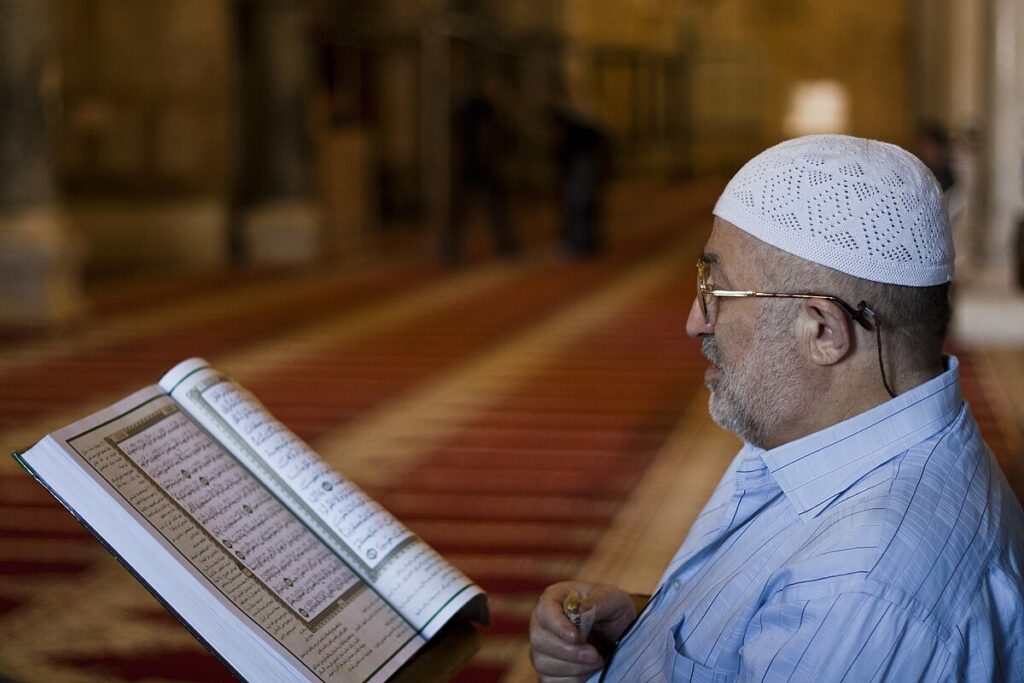
Who was the first person to memorize the holy Quran is a question that highlights the beginning of Quran preservation and the importance of memorization in Islamic history. Prophet Muhammad (PBUH) received the revelation from Allah, committed its verses to memory, and taught them accurately to his companions.
The tradition of Hifz developed through the efforts of early Muslims who dedicated themselves to learning, reviewing, and transmitting the Quran. This practice has continued for centuries, allowing generations of Huffaz to preserve the Quran and maintain its teachings worldwide.
The Prophet Muhammad (PBUH): The first and primary preserver of the Quran
Understanding who was the first person to memorize the holy Quran begins with the life of Prophet Muhammad (PBUH). He was the first person to receive the Quran through revelation, memorize its verses completely, and preserve them in his heart before teaching them to his companions.
His role was not limited to memorizing the Quran; he was also the first teacher who explained its meanings and guided Muslims in recitation. Through his careful preservation and teaching, the Quran was transmitted accurately to the early Muslim community.
How divine revelation was preserved in the Prophet’s heart
The answer to who was the first person to memorize the holy Quran is connected to how divine revelation was preserved in the Prophet Muhammad’s heart. He received the verses gradually over approximately 23 years and memorized each part with accuracy before teaching it to others.
The Prophet’s heart served as the first place where the complete Quran was preserved. This method of memorization created a direct connection between revelation and learning, making oral transmission an essential part of Quran preservation.
Allah supported the Prophet in receiving and remembering the revelation accurately. The Prophet would immediately repeat the verses after receiving them and ensure that his companions learned them correctly through listening, repetition, and regular review.
The role of Archangel Jibreel (Gabriel) in reviewing the Quran
Angel Jibreel played an essential role in delivering the Quran to Prophet Muhammad (PBUH). He brought the revelation from Allah and taught the Prophet the exact wording and order of the verses, ensuring accurate transmission from the beginning.
The relationship between Jibreel and the Prophet included regular review of the Quran. During Ramadan, Jibreel would review the revealed verses with the Prophet, helping confirm the accuracy of memorization and recitation.
The relationship between Jibreel and the Prophet explains why who was the first person to memorize the holy Quran is an important question in Islamic history. Regular review between them helped ensure the accuracy of recitation and preservation.
The first companions (Sahabah) to memorize the Quran completely
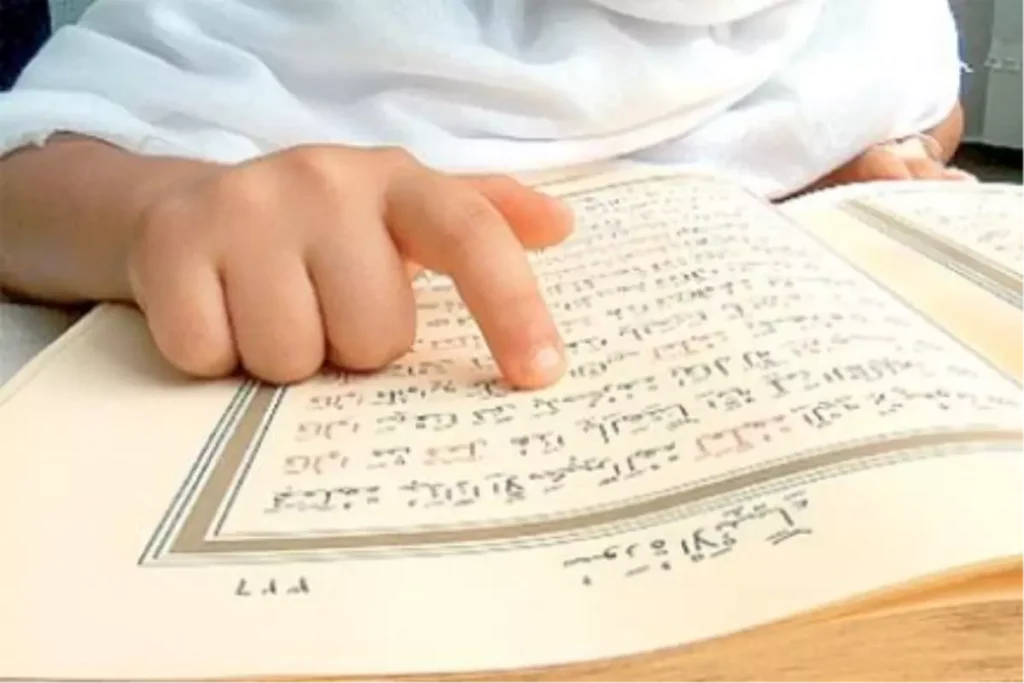
Surely, you know who the first person was to memorize the holy quran? Millions of Muslims worldwide, both young and old, commit the
After the Prophet Muhammad (PBUH), many companions dedicated themselves to memorizing the Quran. Among the earliest companions known for their Quran memorization was Abu Bakr Al-Siddiq (RA), who was one of the closest companions to the Prophet and played a major role in preserving Quranic knowledge.
Understanding who was the first person to memorize the holy Quran also highlights how the companions followed the Prophet’s example. They learned verses directly from him, repeated them regularly, and passed Quranic teachings to the next generations.
Other companions, including Uthman ibn Affan, Ali ibn Abi Talib, and many others, also memorized the Quran and contributed to its preservation. They focused on accurate Quran recitation, regular revision, understanding meanings, and applying Quranic guidance in their daily lives.
Female companions who were among the early Hafizah of the Quran
Women among the companions also contributed greatly to Quran preservation and education. They learned directly from the Prophet Muhammad (PBUH), memorized verses, and passed Islamic knowledge to their families and communities.
Hafsah bint Umar was among the respected female companions known for her knowledge of the Quran. Her connection with Quranic preservation shows the important role women played in maintaining and transmitting Islamic teachings.
Other female companions also participated in learning and teaching the Quran. Their efforts demonstrate that Quran memorization was encouraged among all Muslims who wanted to strengthen their faith and preserve divine revelation.
Methods used by the early Muslims to memorize and protect the scriptures
Early Muslims used several methods to memorize and preserve the Quran. They relied on listening carefully to the Prophet’s recitation, repeating verses regularly, and reviewing what they learned with other companions.
Memorization was supported by written records as well. Some companions wrote Quranic verses on available materials, while memorization remained a primary method of preservation because many Muslims could carry the Quran in their hearts.
Revision was one of the most important practices among early Muslims. They understood that memorization required continuous review, which helped maintain accuracy and protect the Quran from mistakes across generations.
The legacy of Quran memorization: From the Prophet’s era to modern times
The tradition of Quran memorization began with Prophet Muhammad (PBUH) and continued through the efforts of companions, scholars, and Muslim communities throughout history. Today, millions of Muslims become Huffaz by following methods inspired by early Muslims. Modern Quran programs also help students continue this tradition through structured lessons and qualified guidance.
FAQs
Who was the first person to memorize the holy quran?
The Prophet Muhammad (PBUH) was the first person to memorize the complete Quran after receiving revelation from Allah through Angel Jibreel.
How did the Prophet Muhammad (PBUH) memorize the Quran?
The Prophet memorized the Quran by receiving revelation from Angel Jibreel, repeating the verses, and reviewing them regularly.
Why is Quran memorization important in Islam?
Quran memorization helps preserve the revelation, maintain accurate recitation, and continue the tradition established by the Prophet and his companions.
The Prophet Muhammad (PBUH) was the first person to receive, memorize, and preserve the Quran through divine revelation. Knowing who was the first person to memorize the holy Quran helps explain the beginning of Hifz and how this tradition continued through generations with dedication, learning, and careful preservation.
heard about this on bouyon radio, decided to give it a try.