Understanding the Islamic Udhiya sacrifice guidelines is crucial to ensuring that this holy deed is carried out appropriately and has the desired spiritual and community benefits. Many Muslims worldwide are getting ready to conduct Udhiyah, the sacrificial gift that honors Prophet Ibrahim’s profound act of devotion and surrender to God, as the auspicious days of Dhu al-Hijjah draw near.
Udhiya sacrifice guidelines
One important Islamic rite carried out on Eid al-Adha is the practice of Udhiyah, or sacrifice. It represents the readiness of Prophet Ibrahim (Abraham) to offer his son Ismail (Ishmael) as a sacrifice in response to Allah’s instruction.
According to the four main schools of Islamic jurisprudence—Hanafi, Maliki, Shafi’i, and Hanbali—this article examines the decisions and customs of the Udhiya sacrifice guidelines.
The practice of slaughtering particular animals (livestock) to get closer to Allah during the days of Eid al-Adha is known as udhiyah. The Quran and the Sunnah both endorse this practice.
In the second year of Hijrah, when Zakat al-Mal and the Eid prayers were required, Udhiyah was enacted. The Quran, the verbal and practical Sunnah, and the consensus of scholars all endorse it.
The Prophet Muhammad (PBUH) personally killed his sacrificial animals and conducted Udhiyah regularly.
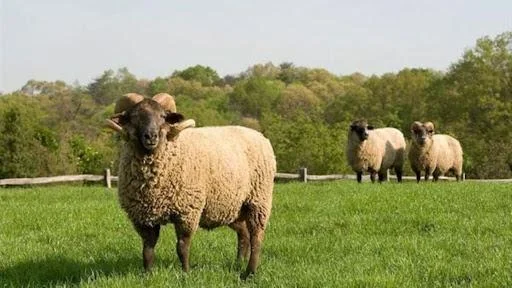
According to Anas ibn Malik (RA), “Two white rams with black specks were offered as sacrifices by the Prophet (PBUH). “Allah-u-Akbar (Allah is the Greatest),” he shouted, slaughtering them with his own hand and placing his foot on their sides. (Agreed upon).
According to Aisha (RA), the Prophet (PBUH) stated: “Bring me the knife,” he replied, adding, “Sharpen it with a stone.” “In the name of Allah, O Allah, accept [this sacrifice] from Muhammad, the family of Muhammad, and the Ummah of Muhammad,” he said as he took it, placed the ram down, and offered it as a sacrifice. (Muslim).
The Prophet (PBUH) stated: “On this day (Eid), we begin by praying, after which we go back and kill the sacrificial animal. Anyone who follows our Sunnah has done so, and anyone who slaughters before prayer is not making a sacrifice; rather, it is only meat for their family.” (Agreed upon).
The Sacred Offering’s Deep Meaning: What Controls It?
The act of being close to Allah is known as Qurbani (Udhiyah). It brings back the tale of Ibrahim (AS) and Ismail (AS), in which total confidence transformed a possible loss into a lasting legacy.
As stated in Surah Al-Hajj 22:37, “It is neither their meat nor their blood that reaches Allah, but your piety that reaches Him.” The purpose of the regulations is to maintain perfection, honesty, and kindness so that your offering becomes sincere devotion rather than just a ritual.
The spirit of taqwa is safeguarded by every circumstance, including the animal’s health, timing, and distribution. When Qurbani is practiced with love, it strengthens the Ummah, brings families closer to Jannah, and converts riches into continuous Sadaqah Jariyah.
The Udhiya sacrifice guidelines Practice
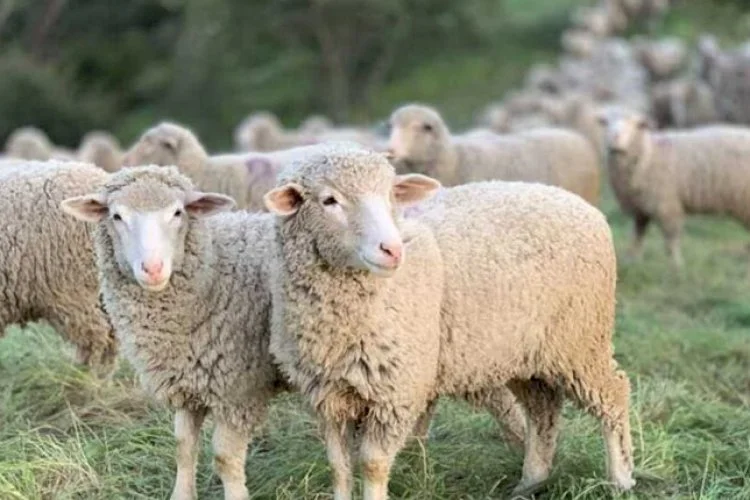
During the days of Eid al-Adha, udhiya entails the sacrifice of particular animals, usually sheep, goats, cows, or camels. Several fundamental concepts influence the process:
- Timing: The sacrifice is carried out following the Eid al-Adha prayer, which initiates the celebration. The next three days, referred to as the days of Tashreeq, might be used for it.
- Eligibility: The sacrifice must be made by an adult Muslim who is of sound mind and has the financial means to do so without endangering themselves or their dependents.
- Animal Selection: In order for an animal to be considered for sacrifice, it must fulfill specific requirements. It must be in good health, devoid of flaws, and at least a certain age—typically one year for sheep and goats, two years for cows and buffalo, and five years for camels.
- Method of Sacrifice: Kindness and respect should be shown to the animal. Using a sharp knife and the name of Allah, the act of sacrifice is performed quickly and gently.
- “Bismillah, Allahu Akbar” (In the name of Allah, Allah is the Greatest) should be spoken by the individual making the sacrifice.
- Flesh Distribution: The flesh from the sacrificed animal should be split into three equal portions: a portion for the individual making the sacrifice and their family, a portion for friends and neighbors, and a portion for the underprivileged and destitute.
- Everyone, including the less fortunate, will be able to enjoy Eid al-Adha thanks to this handout.
How to Make an Udhiyah Donation
Udhiya sacrifice guidelines is a significant act of devotion that fosters compassion and a sense of community while fortifying Muslims’ ties to God. Donating Udhiyah through respectable organizations guarantees that the spirit of this practice is achieved and reaches people in need for those who are unable to make the sacrifice themselves.
FAQs
When Is It Time to Buy the Animal?
Peace of mind comes from early planning. Reliable companies handle purchases ahead of time, while the actual slaughter takes place on the valid days. Wherever feasible, donations received up until Maghrib on the 13th are honored; however, earlier is always preferable for seamless execution and maximal barakah.
Udhiya sacrifice guidelines Is it forbidden to groom during Dhul Hijjah?
It is advised to refrain from cutting hair, clipping nails, or removing skin from the time of the new moon sighting until your Qurbani is over. While others regard it as virtuous but not required, the Hanbali school regards it more rigorously. By doing this, you can participate in the sacrificial animal’s state and finish the devotion as a group.
Conclusion about Udhiya sacrifice guidelines
Making Qurbani rules in Islam is such a lovely way to combine kindness, introspection, and prayer. It allows us to experience what it’s like to be in the shoes of Prophet Ibrahim, deepening our relationship with Allah, and being nice to our less fortunate brothers and sisters.
Understanding and following the Islamic Udhiya sacrifice guidelines that this holy practice is carried out appropriately, respecting Prophet Ibrahim’s legacy and achieving its community and spiritual goals.
By giving Udhiyah, you may significantly improve the lives of people who are less fortunate and share the benefits of Eid al-Adha with them. Let’s make this Eid a time of joy, compassion, and community by supporting this excellent act of generosity, which Itqan Academy encourages.