The most auspicious days of the Islamic year are the first 10 days of Dhul Hijjah, so you must do the best deeds in Dhul Hijjah. According to the Messenger of Allah, Allah loves virtuous actions more during this period than any other. Increase your daily worship, fast during the first nine days, particularly the Day of ‘Arafah, and, if you can, do Qurbani. The first ten days of Dhul Hijjah are the most deeply fulfilling of the several spiritual seasons in the Islamic calendar that are intended to help us reestablish a connection with our faith.
Best deeds in Dhul Hijjah
While the last ten nights of Ramadan are extensively celebrated, the first ten days of Dhul Hijjah are frequently overlooked in our fast-paced modern culture. However, the Prophet Muhammad made clear that they were superior.
The Prophet remarked, “There are no days in which righteous deeds are more beloved to Allah than these ten days,” according to Ibn Abbas. (Bukhari, Sahih).
This advice is for you if you want to maximize your benefits, cleanse your heart, and improve your spiritual status before Eid al-Adha. The best deeds in Dhul Hijjah to perform in Dhul Hijjah are listed in detail below.
Five Crucial Best Deeds in Dhul Hijjah
The first ten days of Dhul Hijjah worship
are the most auspicious days of the year and have a lot of promise for spiritual and material gain. To make this time effective, we can engage in the following acts of worship that are the best deeds in Dhul Hijjah.
- Umrah and Hajj
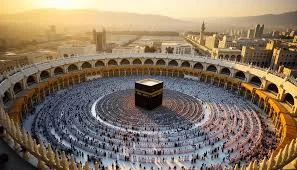
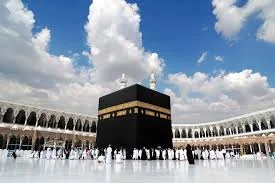
One of the five pillars of Islam, the Hajj, is what makes the first part of Dhul Hijjah so magnificent. The Sunnah of Ibrahim (AS) is the source of the Hajj practices. For Muslims who can afford it, performing the hajj is required. Additionally, a lot of Muslims perform Umrah during this period.
- Fast for the first nine days, especially the Day of Arafah
One of Allah’s favorite forms of devotion is fasting. Although it is highly recommended to fast for as many of the first nine days of Dhul Hijjah as possible, those who choose not to perform the Hajj will receive a wonderful and special reward if they fast on the ninth day, the Day of Arafah.
Arafah fasting reward, according to the Prophet , “expiates the sins of the past year and the coming year.” (Muslim Sahih).
Practical advice: Prepare your Suhur (pre-dawn meal), set an alarm, and invite your loved ones to join you in fasting on this significant day.
- Present the Qurban (Udhiyah)
Qurban, also known as Udhiyah, is an animal sacrifice that commemorates the extraordinary obedience of Prophet Ibrahim (AS) when he was instructed to sacrifice his son, Ismail (AS).
For those who can afford it, offering Qurban is a verified Sunnah (and, according to certain scholars, required). There are three portions of the meat: one for your family, one for friends and family, and one for the underprivileged.
Practical advice: To guarantee that the meat reaches those who need it most before Eid al-Adha, plan your Qurban early through a reputable Islamic charity.
- Avoid cutting your hair, nails, or sprains
During the first nine days of Dhul Hijjah, cutting your hair, nails, or hair below your navel is another crucial Sunnah. “You shouldn’t cut your hair and nails if you see the moon of Duhl Hijjah and intend to perform Qurbani (sacrifice),” said the Prophet Muhammad. [Abu Dawud, Sunan Nasa’i, and Sahih Muslim]
According to the Hadith, some scholars claim that it is Mustahab, while another group claims that it is Wajib (required) for the sacrificers to refrain from cutting their hair and nails before sacrificing Qurbani. The family of the sacrificers can, however, cut their hair or clip their nails.
Additionally, some Islamic jurists say that this is true for both individuals who plan to make sacrifices and those who do not. The greatest is Allah Subhanahu Wa Ta’ala.
- Celebrating Eid according to the Sunnah
Offering the Eid al-Adha prayer with the community on the tenth day of Dhul Hijjah is Sunnah and one of the Best deeds in Dhul Hijjah. You should also take a bath, dress nicely, and use perfume on the day of Eid. Additionally, you shouldn’t consume any food before Eid al-Adha. Your primary responsibility is to make a sacrifice after finishing the Eid prayer and discourse.
“Today we will perform the Eid prayer first,” said the Messenger of Allah . I shall then make a sacrifice. [Bukhari Sahih]
Share the meat among your neighbors, family, and those in need after completing Qurbani. Additionally, wish each other a happy Eid.
“May Allah accept our good deeds from you and us.” [Fathul Bari, At-Tabarani]
FAQ: Best deeds in Dhul Hijjah
What is the best action performed during the ten days of Dhul-Hijjah?
Repenting from faults and meeting responsibilities are the greatest places to start, followed by increasing good activities like dhikr, takbir, fasting, charity, and reciting the Qur’an.
Which is better, reciting the Qur’an or takbir?
Both are magnificent expressions of devotion. While takbir is a visual marker unique to these days, the Qur’an is generally the finest reminder. Combining both is the most comprehensive strategy.
Do you have to fast for all nine days?
No. While not necessary, it is advised for those who can. For those who are not pilgrims, fasting on the Day of Arafah is the most important.
Concluding Remarks about Best Deeds in Dhul Hijjah
In Islam, day of Arafah importance is significant. Muslims are urged to take full advantage of this auspicious period by doing acts of devotion, asking for pardon, and deepening their relationship with Allah. Fasting, voluntary prayers, reciting the Quran, genuine repentance, Dhikr, charitable deeds, Hajj, and other Sunnah practices can all help you achieve this.
The qualities and lessons learned during making the best deeds in the Dhul Hijjah period may have a long-lasting effect on the person’s spiritual development. We may deepen our relationship with Allah and work toward being our best selves, insha’Allah, by embracing the spirit of this decade.