The Islamic rulings of sacrifice, known as Udhiya or Qurbani, are carried out to honor Prophet Ibrahim’s (Abraham’s) readiness to offer his son as a sacrifice. During the days of Eid al-Adha, this rite is highly valued.
Islamic rulings of sacrifice
Eid al-Adha, when Muslims make sacrifices to be nearer to Allah, is coming up. There are many questions regarding the terms and conditions of the Islamic rulings of sacrifice; in this post, we shall examine them. Stay tuned to find out more.
We shall go into great depth about What Are the Requirements for Eid al-Adha Sacrifice in this essay. One of the most significant Islamic holidays is Eid al-Adha, when Muslims offer animal sacrifices to honor Prophet Ibrahim’s (Abraham’s) willingness to offer his son as a sacrifice in submission to God.
To be sure that Allah accepts the sacrifice, it is crucial to comprehend the conditions.
What Sacrifice Means
The term “sacrifice” is derived from the verb “to draw closer,” qorroba-yuqorribu-qurbaanan. In order to express thanks and obedience, it means to become closer to Allah. The Qur’an also explains this:
Indeed, you have received several benefits from us. Thus, establish prayer and offer sacrifices for the glory of your Lord. (QS. Al-Kautsar: 1-2)
In the verses above, Allah gives us instructions to offer sacrifices and prayers in order to express our thanks for His benefits. We may spread more joy by engaging in qurbani. This is because all Muslims like qurbani meat.
However, qurbani is not inexpensive or simple to conduct. To purchase animals for sacrifice, a Muslim must spend a specific sum of money. A significant amount of money and human resources are also needed for the implementation. Therefore, it should come as no surprise that those who can afford it are advised to engage in this act of devotion.
Methods for Slaughter
The location of the actual killing may be restricted by local health or animal rights legislation. For further information, please contact the mosque in your area. If this is your first time performing the slaughter by hand, have someone with expertise accompany you to offer guidance and support.
The following are the requirements for the real slaughter:
- The animal should be killed with a sharp item, such as a stone or a piece of wood, that can cause it to bleed by cutting blood vessels.
- The animal must be killed by either slashing its throat or puncturing its throat cavity. Cutting the gullet, the windpipe, and the two jugular veins is the optimal method.
- When the animal is being killed, its name should only be Allah’s.
- When the animal is being killed, the name of Allah should be recited. “Bismillah, Allahu Akbar” is what you ought to say.
Conditions of the Sacrificial Animal and the Sacrificer | Islamic rulings of sacrifice
- Since Islam is the most crucial need for the acceptance of the sacrifice, the sacrifier must be a mature Muslim.
- Additionally, they must be wealthy enough to make the sacrifice without compromising their everyday necessities.
- The prophet declared, “Let him not approach our place of prayer if he can afford to offer a sacrifice but does not.”
- The sacrifice should only be made for Allah’s benefit.
- The person making the sacrifice should be the sole owner of the animal.
- Additionally, they are unable to sell any of its components, including its nails or wool.
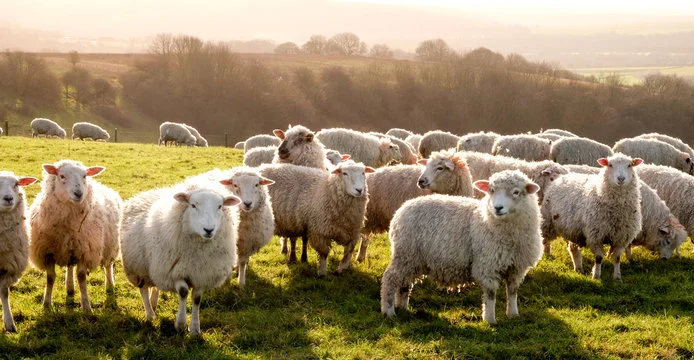
- The animal cannot be a bird and must be classified as either sheep or cattle.
- Additionally, the animal must be of the necessary age.
- Any flaws or illnesses, including blindness or lameness, should be absent.
- Lastly, according to Islamic law, the sacrifice must be carried out at the proper time.
The Prophet and Companions’ Qurbani’s History
Every year, the Prophet made sacrifices whether or not he was in need. Prophet Muhammad made sacrifices while leading a modest existence. He views qurbani as a yearly act of worship rather than a one-time event.
According to Hadith Ibn Abbas, the Prophet said, “Three things are obligatory for you, sunnah for you, namely the Witr prayer, sacrifice, and Dhuha prayer” (Ahmad and al-Hakim).
According to Imam al-Tirmidzi’s account, the Prophet declared, “I was ordered to sacrifice, and it is sunnah for you” (al-Tirmidzi).
Although the law of Islamic rulings of sacrifice for those who can afford it is Sunnah rather than mandatory, the Prophet obligated himself to make a sacrifice. The rich Abu Bakr and Umar bin Khattab did not usually make sacrifices annually.
This demonstrates that sunnah muakad, rather than qurbani, is not required for Muslims. It is a highly recommended act of worship.
FAQs related to Islamic rulings of sacrifice

What is the sacrifice made on Eid al-Adha?
On Eid al-Adha, a significant Islamic holiday, Muslims present animals (camels, calves, lambs, or goats) to commemorate the willingness of Prophet Ibrahim (Abraham) to sacrifice his son in devotion to Allah.
What kinds of animals can be offered as Islamic rulings of sacrifice?
The sacrificial animal must be from livestock, such as camels, cattle, sheep, or goats, according to the rules for Eid al-Adha sacrifice. Other animal sacrifices are not permitted.
How old must the animal be to be sacrificed?
As per the prerequisites for the sacrifice on Eid al-Adha:
- Camels have to be at least five years old.
- The minimum age requirement for cattle is two years.
- A six-month-old lamb is okay if it is healthy and plump, but sheep must be at least a year old.
Does the sacrificed animal have to be flawless?
Indeed, the sacrificed animal must be devoid of any flaws that compromise its worth and well-being. The animal must not be blind, lame, diseased, or severely emaciated to be sacrificed on Eid al-Adha.
At what time should the sacrifice be made?
On the third day of Tashreeq (the three days after Eid), the Eid al-Adha sacrifice begins after the Eid prayer and concludes at dusk. Following this schedule is essential to the sacrifice’s legitimacy.
Study More, Contribute More
Muslims may perform this holy deed appropriately and follow Islamic rulings of sacrifice, with appreciation, and with purpose when they are aware of the advantages of offering Qurbani. One of the most potent and fulfilling things you may do on Eid al-Adha is your Qurbani, which can enhance your spirituality, provide you with the opportunity to assist people in need, and honor a prophetic tradition.
This Eid, share Qurbani with people in need and use wholesome meals to spread pleasure, comfort, and hope.