
The topic of discussion here is the Arafah duas and forgiveness. Celebrated on the ninth of Dhul-Hijjah, the Day of Arafah is the most revered day in the Islamic calendar. It is the greatest day for being freed from Hellfire, receiving divine pardon, and having your duas accepted.
Arafah duas and forgiveness
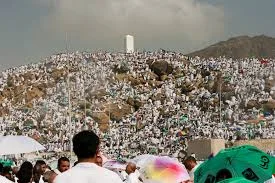
In Islam, the day of Arafah is regarded as the most significant occasion for seeking compassion, forgiveness, health, and spiritual renewal.
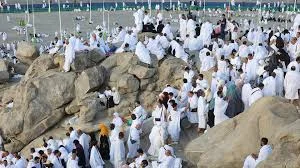
Every year on the ninth of Dhul Hijjah is Arafah duas and forgiveness, thousands of Muslims assemble on the expansive plain of Arafah to carry out their holy Hajj rites, which include modest supplications, praying, reading passages from the Quran, and other sunnah actions that the Holy Prophet PBUH taught.
Through fasting, in-depth dhikr, and heartfelt repentance for past transgressions, this immersive prayer enriches Muslims and fosters a stronger relationship with the Almighty SWT.
According to the Holy Prophet PBUH, fasting on the ninth day of Dhul Hijjah atones for past and future sins.
But would you want to know why this day is so important in Islamic culture and how to get the most out of it? If so, you’ve come to the right spot. This site will help you discover the virtues, advice, and purpose of the holy day of Arafah as well as its rich history and significance.
The Day of Arafah: What Is It?
On the day of Arafah, Allah (SWT) finished His favors for His loving Prophet Muhammad (PBUH), finalized His religion, and accepted Islam as a way of life.
In his tafsir, Imam Ibn Kathir states:
Tariq bin Shihab said, according to Imam Ahmad, “A Jewish man said to `Umar bin Al-Khattab, `O Leader of the Believers! All of you Muslims read a verse in your book, and if it had been revealed to us, we would have celebrated the day it was revealed.
“What is that verse?” inquired Umar ibn Al-Khattab.
The Jew responded: “This day, I have perfected for you your religion and completed My favour upon you and have approved for you Islam as religion.”
“By Allah! I know when and where this verse was revealed to Allah’s Messenger,” Umar retorted. It was a Friday evening on the Day of Arafah.
“The promised day is the Day of Resurrection, the witnessed day is the Day of ‘Arafah, and the witnessing day is Friday.” (Tirmidhi)
When asked about fasting on the day of Arafah, the Prophet (PBUH) advised non-pilgrims to observe the following Sunnah:
“It atones for the transgressions of the previous and next years. (Muslim)
“The day of ‘Arafah is the day when Allah releases people from the Fire the most. When He approaches them (those standing atop ‘Arafah), He exclaims in front of His Angels, “What are these people seeking?” (Muslim)
The ninth day of Dhul Hijjah, the holy month of Hajj, coincides with the Day of Arafah. In the Arafah duas and forgiveness day of the Hajj, pilgrims assemble in the plains of Arafah to stand in adoration and offer prayers to Allah.
The Prophet ﷺ declared:
“The sins of the past year and the upcoming year are atoned for by fasting on the Day of Arafah.” Sahih Muslim
Arafah is therefore among the ideal days in the Islamic calendar for:
heartfelt contrition, strong prayers, pleading for Jannah, and begging Allah’s favor.
Arafah’s Other Names
It is known by several names, each of which emphasizes a quality of its goodness.
The most popular name is Yawm al-Arafah; Yawm al-Wuqoof, which means the day of standing because pilgrims stand in devotion on the plain of Arafah on this day during the Hajj; and The Day of Forgiveness, which is the day when Allah pardons those who truly seek forgiveness. These names are more than simply titles; they are calls to introspection, to accept forgiveness, to know oneself, and to stand modestly.
On this auspicious day, you are getting ready to fast, conduct dhikr, or make earnest prayers. These names serve as a reminder of the holy aim of Arafah, which is to receive a blessing from Allah for genuine repentance, spiritual rebirth, and an unparalleled intimacy with Allah.
The Arafah duas and forgiveness of the Prophet
The most potent phrases to recite on ʿArafah were provided to us by the Prophet ﷺ:
“There is no deity except Allah, alone, without partner,” is the best statement made by me and the prophets who came before me. The best prayer is made on the Day of ʿArafah. All honor and dominion belong to Him, and He is competent over all.
The Reasons for Making an Arafah Dua and Forgiveness List
On the Day of Arafah, many Muslims are overcome with emotion as they attempt to recall all the things they intended to petition Allah for. Making a written Arafah dua list enables you to concentrate intently and provide sincere, well-organized prayers.
You may put the following in your Arafah duas and forgiveness list:
- Forgiveness for transgressions, relief from psychological suffering, direction and stability, halal rizq, a virtuous spouse,
- Allah alone knows about your parents and loved ones, prosperity in dunya and akhirah, safety from Hellfire, and personal dreams.
- The wonderful thing about dua is that Allah hears what you can’t speak out loud.
What Your Own Arafah Dua List Should Contain
-
Pardon for Every Sin
Request that Allah pardon repeated, forgotten, and concealed sins.
-
Advice
Pray for connection to Islam, honesty, and istiqamah.
-
Parents
Whether your parents are still living or have passed away, offer prayers for them.
-
Matrimony and Family
Pray for calm households and moral relationships.
-
Rizq and Achievement
Seek job achievement, barakah, and halal nourishment.
-
Jannah
Don’t forget to request paradise.
-
Defense Against Hellfire
The day of salvation is Arafah.
-
Healing on an emotional level
Tell Allah about the suffering you have kept to yourself.
On this Day of Arafah, make every du’a matter
On the Day of Arafah, Allah has a special chance to be near His slaves, hear our cries, and show us a great deal of forgiveness.
Make each du’a matter. Pray for your loved ones, ask for Paradise, ask for forgiveness, and keep those in need in mind.
Ameen, may you accept all of our du’as.
These Arafah duas and forgiveness at Dhul Hijjah, when you reestablish your connection with Allah (SWT), keep in mind that giving may also be an act of worship. During Dhul Hijjah, give Qurbani.