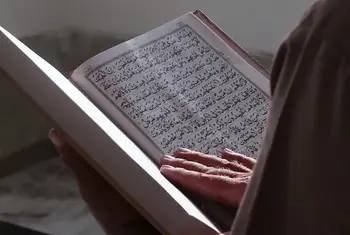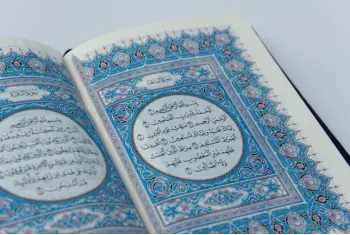
Quran and mental health Islam has become an increasingly important topic for Muslim families across the USA, UK, and Canada. Many people seek practical ways to strengthen emotional wellbeing while deepening their relationship with the Quran through consistent learning, reflection, and structured daily habits supported by qualified teachers.
At Itqan Academy, we believe that the Quran and mental health Islam can encourage calm, resilience, and spiritual growth through regular learning. Personalized Quran lessons help students establish meaningful routines while supporting emotional balance alongside healthy lifestyle choices and appropriate professional care whenever it is needed.
Why Muslim mental health conversations are more open in 2026
Quran and mental health Islam is discussed more openly today as Muslim families increasingly recognize the importance of emotional wellbeing alongside spiritual development. Greater Muslim mental health awareness encourages honest conversations while reducing stigma surrounding emotional challenges and professional support.
Community leaders, educators, and families now promote balanced discussions that combine faith with responsible care. This growing openness allows Muslims to explore spiritual practices while feeling comfortable seeking professional guidance whenever emotional or psychological difficulties become difficult to manage.
What the Quran says about anxiety, grief, and hardship
The Quran repeatedly reminds believers that hardship is part of life while offering hope, patience, and trust in Allah’s mercy. These teachings encourage resilience and strengthen faith during periods of anxiety, grief, uncertainty, and personal challenges.
Understanding the Quran and mental health in Islam helps learners appreciate the Islamic approach to anxiety through reflection, prayer, and remembrance of Allah. These spiritual foundations provide comfort while complementing practical coping strategies and professional mental health support when appropriate.
Dua and Dhikr as practical coping tools (Not a replacement for therapy)
Regular Dua and Dhikr help many Muslims remain spiritually connected during stressful situations. Remembering Allah consistently encourages gratitude, patience, and hope while creating moments of reflection throughout daily life that may reduce emotional overwhelm.
Although spiritual practices provide meaningful support, they should not replace professional treatment when needed. Learning Quran and mental health Islam encourages balanced care by combining faith-based practices with qualified mental health services whenever emotional symptoms become persistent or severe.
The calming effect of regular, structured recitation
Consistent Quran recitation creates a predictable routine that encourages focus and reflection. Reading with proper Tajweed also helps learners slow their pace, improve concentration, and dedicate uninterrupted moments to meaningful worship each day.
Many students discover that Quran and mental health Islam supports a greater sense of calm through regular practice. This steady routine promotes the Quran for peace of mind while encouraging lasting spiritual habits that continue beyond individual learning sessions.
Balancing faith-based support with professional mental health care
Faith provides hope, purpose, and spiritual strength during difficult times. At the same time, emotional or psychological conditions may require professional assessment and treatment alongside regular worship, family support, and healthy daily habits.
Understanding the Quran and mental health Islam encourages a balanced perspective that values both spiritual growth and appropriate healthcare. Seeking professional support reflects responsible self-care and can work alongside Quran learning, prayer, and other beneficial Islamic practices.
How learning Quran consistently builds a sense of routine and peace
A consistent learning schedule helps students develop discipline while creating positive habits that become part of everyday life. Small, regular lessons often feel more manageable than occasional long study sessions, especially for busy families and working adults.
Through Quran and mental health Islam, learners build routines that encourage reflection, consistency, and emotional balance. At Itqan Academy, structured classes help students maintain steady progress while strengthening their connection with the Quran over time.
Stories: How students describe the emotional impact of learning
Many students say that maintaining regular Quran lessons helps them feel calmer, more focused, and spiritually connected throughout their daily routines. They often describe greater confidence in recitation and appreciation for having dedicated time to reflect on the Quran.
While every learner’s experience is different, the Quran and mental health in Islam can become part of a healthier daily routine for many students. Positive emotional benefits vary from person to person and should always be viewed as complementary to, not a replacement for, qualified professional mental health care when needed.
Starting a calming daily Quran habit
Building a peaceful Quran routine begins with realistic goals that fit naturally into everyday life. Even short, consistent study sessions can strengthen recitation skills while encouraging reflection, discipline, and a lasting connection with Allah’s words.
Explore Quran and mental health Islam through structured recitation classes at Itqan Academy and build a calming daily habit that supports spiritual wellbeing. Quran learning complements healthy routines but is not a substitute for professional mental health support when it is needed.
Build a Calming Daily Habit, Explore Our Recitation Classes, and include a brief, appropriate note that this isn’t a substitute for professional mental health support.
FAQ
Can reciting the Quran replace therapy for anxiety or depression?
No. Quran recitation offers valuable spiritual support, but persistent anxiety or depression should also be evaluated and treated by qualified mental health professionals.
What Duas are commonly recommended for stress?
Many Muslims recite authentic Duas seeking patience, relief, protection, and ease while combining supplication with regular worship and positive daily habits.
Is it normal to feel emotional while learning or reciting the Quran?
Yes. Many learners experience emotional responses during recitation because Quran verses inspire reflection, gratitude, hope, and a deeper spiritual connection.
How does a structured class routine help mental wellbeing?
Regular schedules encourage consistency, reduce uncertainty, build positive habits, and provide meaningful time for reflection through organized Quran learning.
Should I see a professional alongside spiritual practices?
Yes. Professional care and Islamic spiritual practices can complement each other, supporting emotional wellbeing while addressing mental health concerns responsibly.
Quran and mental health Islam reminds Muslims that consistent Quran learning can nurture peace, resilience, and spiritual connection. Build a calming daily routine with Itqan Academy by booking your free trial today, while remembering that professional mental health care remains essential whenever additional support is needed.
:Learn More
Online Quran Memorization Classes Canada
Ramadan Quran Classes UK
Are Online Quran Classes Bad Screen Time?