
The dua for thunder is a meaningful supplication that Muslims say when they hear thunder. This natural event reminds believers of Allah’s greatness, power, and control over creation. Reciting this dua helps Muslims respond to signs of Allah with remembrance and humility.
Learning the dua for thunder helps Muslims understand the Islamic perspective on natural events and the importance of glorifying Allah. Through Islamic education at Itqan Network, learners can explore authentic duas, their meanings, and the Sunnah practices connected with daily life and worship.
Enhance Your Knowledge in Quran & Arabic
Choose from our specialized courses designed for all levels under the guidance of expert tutors.
What did the Prophet Muhammad say when hearing thunder?
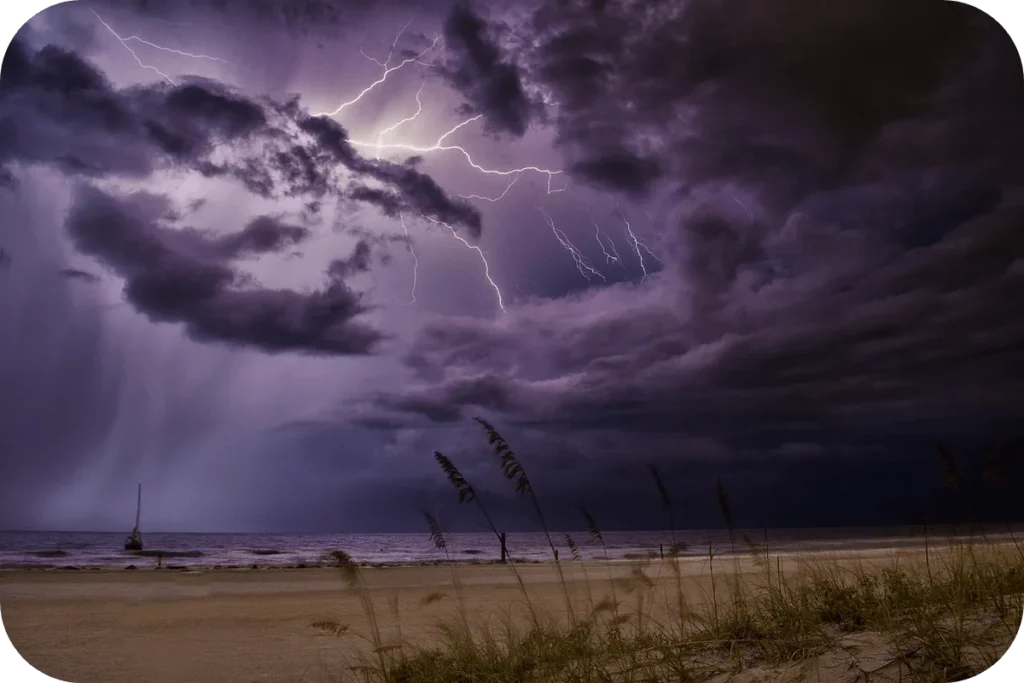
When hearing thunder, Muslims are encouraged to remember Allah and recognize His greatness. The sound of thunder is considered one of the signs that show Allah’s power over the heavens and the earth, encouraging believers to increase their remembrance.
The Prophet Muhammad (PBUH) taught Muslims to turn to Allah during different situations, including moments when they witness powerful natural events. These practices help believers maintain faith and awareness in every circumstance.
The recommended remembrance when hearing thunder includes glorifying Allah. Many scholars mention that Abdullah ibn Al-Zubayr used to say a specific phrase when hearing thunder, following the practice of honoring Allah’s greatness.
Authentic dua for thunder and lightning (Arabic text and English)
The dua for thunder and lightning is a supplication that reflects a Muslim’s belief in Allah’s absolute power. Thunder and storms remind believers that creation follows Allah’s command and that humans depend on His mercy and protection.
Arabic:
سُبْحَانَ الَّذِي يُسَبِّحُ الرَّعْدُ بِحَمْدِهِ وَالْمَلَائِكَةُ مِنْ خِيفَتِهِ
Transliteration:
Subhana alladhi yusabbihur ra‘du bihamdihi wal mala’ikatu min kheefatihi.
Translation:
Glory be to Him whom the thunder glorifies with His praise, and the angels are in awe of Him.
This supplication comes from the verse describing how thunder glorifies Allah. It reminds Muslims that even powerful natural events are part of Allah’s creation and constantly reflect His greatness.
Transliteration and correct pronunciation of the thunder supplication
Learning the correct pronunciation of the thunder supplication helps Muslims recite it accurately and understand its meaning. For non-Arabic speakers, transliteration provides an easier way to memorize the words while staying connected to the original Arabic.
The phrase Thunder dua in Islam represents a reminder that Muslims should respond to natural signs with remembrance rather than fear alone. Understanding pronunciation and meaning creates a deeper spiritual connection with the words being recited.
The transliteration is:
Subhana alladhi yusabbihur ra‘du bihamdihi wal mala’ikatu min kheefatihi.
Practicing this supplication allows learners to follow Islamic teachings related to weather events. It also encourages believers to remember Allah during moments that show the beauty and power of His creation.
The meaning behind glorifying Allah when thunder strikes

Thunder isn’t viewed in Islam as only a natural sound, but also as a sign that reflects Allah’s greatness and authority. Glorifying Allah when hearing thunder reminds believers that all creation follows His command and constantly praises Him.
The dua for thunder encourages Muslims to reflect on their relationship with Allah. It teaches humility and reminds believers that human strength is limited compared to the power of the Creator who controls the universe.
When Muslims say words of praise during thunder, they strengthen their awareness of Allah’s blessings and mercy. This remembrance transforms a simple weather event into an opportunity for worship, reflection, and increased faith.
Sunnah etiquette and supplications during heavy storms and rain
Islam teaches Muslims to maintain remembrance of Allah during different weather conditions. During storms and heavy rain, believers are encouraged to make dua, seek Allah’s mercy, and recognize His ability to provide benefit and protection.
The dua for thunder is one example of how Muslims respond to natural events through worship. Other supplications during rain can include asking Allah for beneficial rainfall and protection from any harm caused by severe weather.
Why thunder is considered a sign of Allah’s infinite power
Thunder is mentioned in the Quran as a sign that glorifies Allah. Its powerful sound reminds people of the greatness of creation and the perfect order established by Allah throughout the universe.
The dua for thunder and lightning reflects this understanding by connecting natural events with remembrance and praise. Muslims learn that thunder isn’t only a physical phenomenon but also a reminder of Allah’s signs.
Teaching children Islamic prayers for weather and natural events
Teaching children duas related to weather events helps them develop strong Islamic habits from an early age. Parents and teachers can explain the meanings behind these supplications and show children how Muslims respond to different situations.
Learning the dua for thunder helps children understand that natural events are signs of Allah’s greatness. It encourages them to respond with remembrance, strengthen their faith, and trust Allah’s wisdom and protection during different weather conditions.
Online Islamic learning programs at Itqan Network support families by providing structured lessons about Quran, duas, and Islamic manners through qualified teachers. These programs help children build a stronger connection with their faith.
Strengthening your reliance on Allah during difficult weather
Difficult weather conditions can remind Muslims of their dependence on Allah and the importance of seeking His guidance. Supplications provide comfort and help believers maintain patience, trust, and spiritual awareness during challenging moments.
The dua for thunder teaches Muslims to respond to powerful natural events with remembrance instead of anxiety. It reminds believers that Allah controls everything and that His mercy surrounds His creation.
Learning authentic duas and understanding their meanings helps Muslims strengthen their relationship with Allah. These daily practices create opportunities for worship and encourage believers to maintain faith in every situation.
Enhance Your Knowledge in Quran & Arabic
Choose from our specialized courses designed for all levels under the guidance of expert tutors.
FAQs
What is the exact Dua to recite when hearing thunder?
It is Sunnah to say what Abdullah bin Zubair (RA) used to say when hearing thunder: Subhanaalladhi yusabbihu ar-ra’du bihamdihi wal-mala’ikatu min kheefatihi (Glory be to the One whom thunder glorifies with His praise, and the angels [glorify Him] out of awe of Him).
Did the Prophet (PBUH) say a specific prayer for lightning or storms?
Yes, when seeing lightning or severe storms, the Prophet (PBUH) would often remember Allah’s greatness and make supplications asking for protection from destruction, punishment, and severe winds.
Why do Muslims glorify Allah during thunder and natural phenomena?
Muslims remember Allah during thunder because natural elements are in constant submission and praise of their Creator, serving as a reminder of Allah’s immense power, majesty, and control over the universe.
The dua for thunder reflects the Islamic approach to natural events by connecting them with remembrance, gratitude, and belief in Allah’s power. Understanding this supplication helps Muslims appreciate the signs around them and strengthen their spiritual connection.
Read more:
The Power of Dua in a Muslim’s Life.