
Understanding the Iqamah meaning helps Muslims recognize its role in preparing for daily Salah and congregational worship. Iqamah is the second call to prayer, announcing that the Imam is ready to begin Salah. Unlike the Adhan, which announces prayer time, Iqamah signals the immediate start of prayer.
Itqaan Network provides online Islamic learning resources that help students understand the meaning, recitation, and etiquettes of Salah. These lessons reinforce the importance of worship, Muslim unity, and recognizing Allah’s greatness while strengthening students’ Islamic knowledge.
Unpacking the True Iqamah Meaning in Islamic Worship
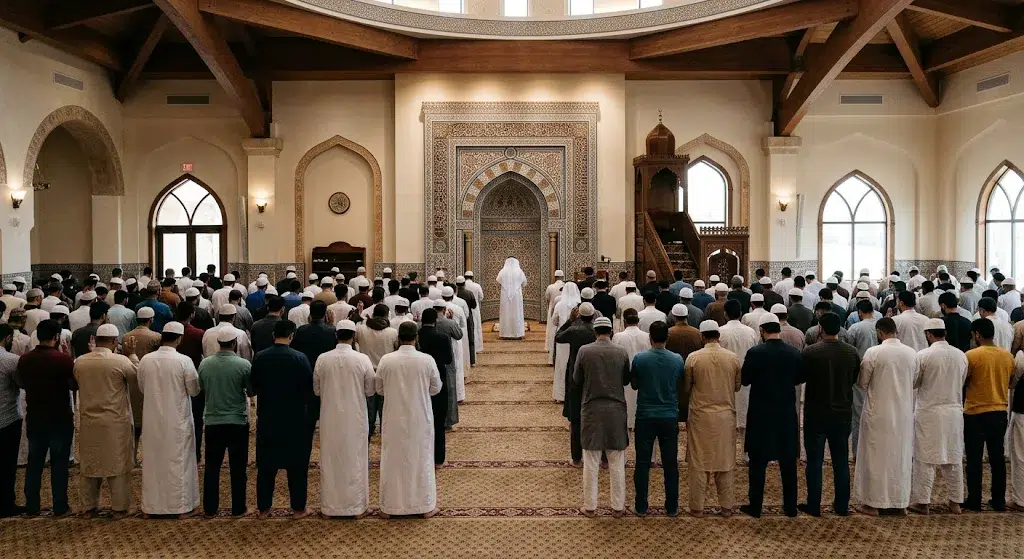
Iqamah Meaning refers to establishing the prayer and is recited immediately before congregational Salah begins. It signals worshippers to straighten their rows and prepare to follow the Imam.
As an important Sunnah, Iqamah resembles the Adhan but is shorter and includes the phrase Qad qamatis-salah, meaning “the prayer has been established.” Its recitation reminds Muslims to approach Salah with focus, humility, and sincerity.
What Is the Iqamah and How Does It Differ from the Adhan?
Although the Adhan and Iqamah share several phrases, they serve two different purposes in Islamic worship.
The Adhan announces that the prescribed prayer time has arrived and invites Muslims to attend Salah. Iqamah, on the other hand, announces that the congregational prayer is about to begin.
The main differences include:
| Feature | Adhan | Iqamah |
| Meaning | Call to prayer | Establishing the prayer |
| Purpose | Announces prayer time | Announces the immediate beginning of Salah |
| Timing | At the beginning of the prayer time | Shortly before congregational Salah |
| Recitation | Longer with repeated phrases | Shorter and generally quicker |
| Main message | Invitation to worship | Readiness to begin prayer |
In the Hanafi format, most Iqamah phrases are recited once, while Allahu Akbar at the beginning and Qad qamatis-salah are repeated twice.
Iqamah also signals the Imam and worshippers to prepare for Salah, ensuring an organized start to congregational prayer.
The Precise Wording and Recitation Rules of the Iqamah
The Iqamah meaning becomes clearer when Muslims learn its correct Arabic wording, pronunciation, English transliteration, and translation.
The following table presents the Iqamah according to the Hanafi format.
| Arabic | Transliteration | English Translation |
| اللّٰهُ أَكْبَرُ اللّٰهُ أَكْبَرُ | Allahu Akbar, Allahu Akbar | Allah is the Greatest, Allah is the Greatest. |
| أَشْهَدُ أَنْ لَا إِلٰهَ إِلَّا اللّٰهُ | Ash-hadu an laa ilaaha illal-laah | I bear witness that there is no god except Allah. |
| أَشْهَدُ أَنَّ مُحَمَّدًا رَسُولُ اللّٰهِ | Ash-hadu anna Muhammadar Rasoolullaah | I bear witness that Muhammad is the Messenger of Allah. |
| حَيَّ عَلَى الصَّلَاةِ | Hayya ‘alas-salaah | Come to prayer. |
| حَيَّ عَلَى الْفَلَاحِ | Hayya ‘alal-falaah | Come to success. |
| قَدْ قَامَتِ الصَّلَاةُ | Qad qaamatis-salaah | The prayer has been established |
| اللّٰهُ أَكْبَرُ اللّٰهُ أَكْبَرُ | Allahu Akbar, Allahu Akbar | Allah is the Greatest, Allah is the Greatest. |
| لَا إِلٰهَ إِلَّا اللّٰهُ | Laa ilaaha illal-laah | There is no god except Allah. |
The Spiritual and Practical Significance of the Second Call
The Iqamah is more than a signal for starting congregational Salah. Its words reinforce fundamental Islamic beliefs and encourage Muslims to approach prayer with discipline and spiritual awareness.
Each declaration carries a reminder of the relationship between the believer and Allah:
- Recognizing Allah’s greatness: The opening and closing expressions of Allahu Akbar remind Muslims that Allah is greater than worldly concerns.
- Strengthening Tawheed: The testimony that there is no god except Allah reinforces the foundation of Islamic belief.
- Affirming Prophethood: The declaration concerning Prophet Muhammad ﷺ reminds believers of his role as the Messenger of Allah.
- Seeking true success: The phrase Hayya ‘alal-falaah connects success with obedience to Allah and preparation for the Hereafter.
- Encouraging unity: Worshippers gather and organize themselves into rows before beginning Salah together.
The period between the Adhan and Iqamah is also an important opportunity for supplication. A narration reported by Anas ibn Malik states that supplication between the Adhan and Iqamah is not rejected, encouraging Muslims to use this time to make Du’a.
Standing Up for Prayer: Etiquettes in the Masjid and at Home
Observing proper prayer etiquettes helps Muslims maintain focus and respect for Salah. When the Iqamah is announced, worshippers should prepare to join the congregation by following these practices:
- Complete Preparations: Perform Wudu and wear clean clothes before prayer.
- Avoid Distractions: Stop unnecessary conversations and focus on the Iqamah.
- Straighten Prayer Rows: Stand shoulder to shoulder and maintain organized rows.
- Follow the Imam: Be ready to follow the Imam throughout Salah.
- Maintain Concentration: Direct your attention towards Allah with sincerity and humility.
Essential Rules for Performing Iqamah When Praying Alone
Iqamah meaning extends beyond congregational prayer, as Muslims may also recite it before performing Salah individually at home or elsewhere.
Several practical points help clarify its use:
- Before individual Salah: A Muslim may recite the Iqamah before beginning an obligatory prayer when praying alone.
- Correct sequence: When recited, Iqamah comes after the Adhan, where applicable, and immediately before Salah.
- Understanding the wording: Learning the Arabic phrases and their meanings helps maintain awareness during recitation.
- Avoiding unnecessary delay: Once Iqamah has been completed, the worshipper should proceed to begin Salah.
- Maintaining prayer readiness: Ensure that Wudu, clothing, and the prayer area are prepared beforehand.
Master Daily Islamic Prayers and Perfect Your Worship Today
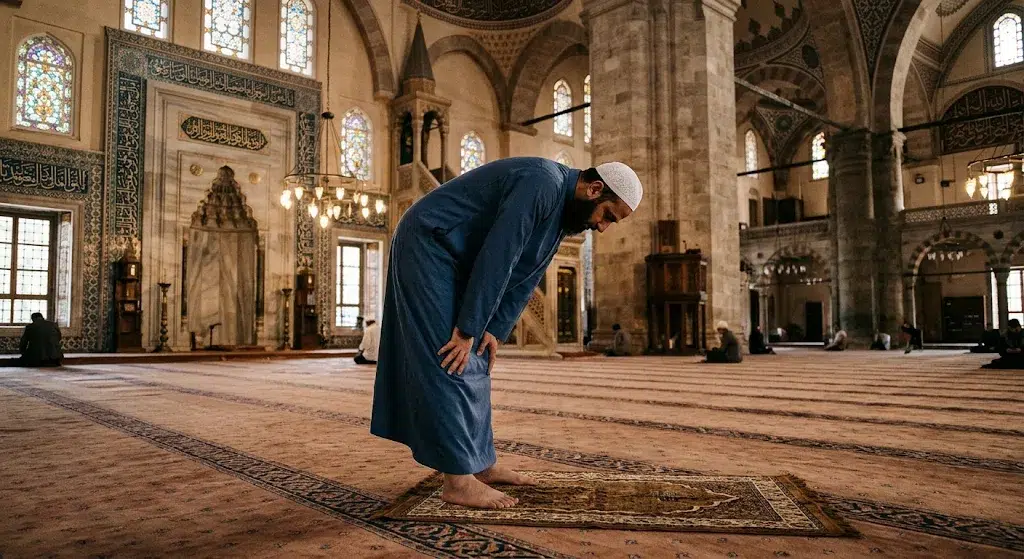
Developing a consistent understanding of Salah requires more than memorizing its essential movements. Muslims also benefit from learning the meanings of the recitations, the conditions of prayer, and the etiquettes associated with worship.
Itqaan Network provides online Islamic learning opportunities designed to help children and adults develop their Quranic and Islamic knowledge through structured lessons with qualified tutors.
Students can explore essential subjects, including:
- Quran Reading: Improve Arabic reading skills and develop accurate Quranic recitation.
- Tajweed: Learn the rules governing the correct pronunciation of Quranic words.
- Islamic Studies: Understand fundamental Islamic beliefs, worship practices, and daily responsibilities.
- Fiqh: Explore Islamic jurisprudence and the practical rulings governing Salah and other acts of worship.
- Arabic Language: Develop the ability to understand Arabic expressions used in Islamic texts and daily worship.
Itqaan Network offers flexible scheduling, personalized learning support, and Islamic lessons tailored to different ages and experience levels, helping students build a strong foundation in Islamic education.
Explore Our Complete Guides and Comprehensive Prayer Resources
Learning the Iqamah meaning is one step towards developing a deeper understanding of Islamic worship. Exploring related subjects can help Muslims connect individual prayer practices with their broader religious responsibilities.
Itqaan Network encourages students and families to expand their Islamic knowledge through structured online learning and educational resources covering topics such as:
- The meaning and significance of the Adhan.
- The five daily obligatory prayers and their importance.
- Wudu and the essential conditions of Salah.
- The correct performance of prayer movements.
- Essential Du’as and their meanings.
- Islamic prayer etiquettes and congregational worship.
FAQ about iqamah meaning
What is the exact iqamah meaning in Islam?
Iqamah is the second call to prayer recited immediately before the congregational prayer begins, signaling worshippers to stand up in rows and align themselves behind the Imam.
What is the main difference between Adhan and Iqamah?
While the Adhan announces that the prayer time has entered and invites people to the mosque, the Iqamah indicates that the prayer is about to start and congregation is forming.
Can I perform the iqamah when praying alone at home?
Yes, reciting the iqamah is a recommended (Sunnah) act even when praying by yourself, whether at home or traveling, to prepare your mind and body for prayer.
Where can I find detailed guides and resources on Islamic prayer rules?
You can explore our comprehensive platform right now to access step-by-step prayer guides, audio tutorials, and expert answers to all your daily worship questions.
Iqamah meaning helps parents introduce children to Islamic practices and deepen their own understanding of Salah, making religious knowledge easier to apply through consistent learning.
Start your Islamic learning journey with Itqaan Network. Explore our online Quran and Islamic Studies programmes to learn from qualified tutors, improve your understanding of essential acts of worship, and develop a more meaningful connection with your faith.