Choosing to learn Arabic For Kids online gives children the opportunity to develop essential language skills through engaging lessons, interactive activities, and age-appropriate learning materials. For families living in the West, online Arabic education offers a convenient way to help children connect with the Arabic language while developing their speaking, listening, reading, and writing abilities.
Itqan provides online learning opportunities designed to make Arabic accessible to young learners at different proficiency levels. Whether your child is a complete beginner or already recognises Arabic letters and words, our approach supports gradual progress through structured lessons, familiar topics, stories, and guided practice. With the right learning environment, children can build confidence and develop a strong foundation for continued Arabic study.
Learn Arabic For Kids Online | Why Early Arabic Education Matters for Children in the West
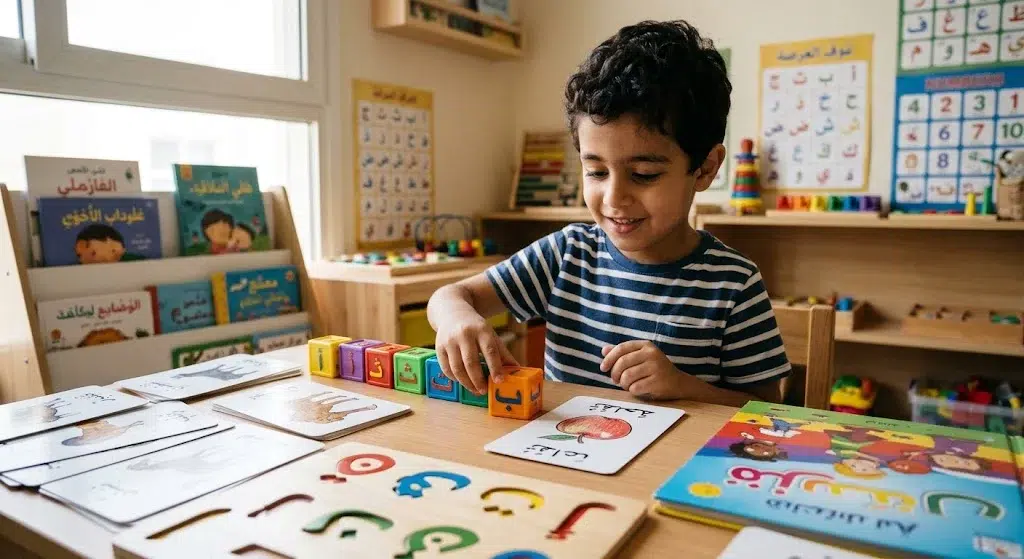
Introducing Arabic early helps children develop language skills and connect with Arabic-speaking cultures. For families in Western countries, online lessons provide convenient opportunities to practise Arabic regularly.
Children who learn Arabic For Kids online can gradually develop several important skills, including:
- Language development: Recognising Arabic letters, understanding their sounds, and building useful vocabulary.
- Communication skills: Practising greetings, answering simple questions, and talking about family, school, food, and hobbies.
- Reading and writing: Progressing from individual letters to connected words, simple sentences, and short texts.
- Cultural awareness: Exploring Arabic stories, everyday expressions, and familiar aspects of Arabic-speaking communities.
- Learning confidence: Developing language skills through manageable activities and regular practice.
Early Arabic education familiarises children with the language’s sounds and letters, while engaging lessons connect new vocabulary to everyday situations.
What Makes Our Online Arabic Classes for Children Stand Out?
Effective Arabic education for children requires more than presenting vocabulary and grammatical rules. Young learners need clear explanations, engaging materials, repetition, and opportunities to apply what they learn.
Our approach to helping children learn Arabic For Kids online focuses on gradual skill development, interactive learning, and practical language use.
Lessons introduce new concepts in manageable stages, allowing children to strengthen their understanding before progressing to more challenging material.
Noorania Qaida for Kids: Mastering Letters and Pronunciation
Learning the Arabic alphabet and recognising its sounds are important first steps in developing Arabic literacy. Children need to understand how letters are pronounced, how their shapes change according to their position in a word, and how letters connect when written.
A structured introductory programme can help children practise letter recognition, pronunciation, short and long vowels, and basic reading skills. Repetition and listening exercises reinforce these foundations, helping learners become more comfortable identifying and producing Arabic sounds.
Interactive Games and Visual Stories for Young Learners
Interactive stories, puzzles, and visual activities make Arabic learning more engaging by introducing vocabulary in meaningful contexts. Children can develop their language skills through:
- Everyday Topics: Learning about colours, numbers, animals, fruits, vegetables, professions, and daily activities.
- Interactive Games: Identifying objects from descriptions and practising new vocabulary through guessing activities.
- Educational Stories: Reinforcing familiar words while introducing new expressions and age-appropriate values, such as honesty, kindness, cooperation, and responsibility.
- Practical Language Use: Developing listening skills, understanding sentence patterns, and using vocabulary in familiar situations.
These engaging activities help children learn Arabic For Kids online through enjoyable, contextualised practice rather than memorisation alone.
Building a Strong Foundation for Reading the Quran
Arabic literacy helps children prepare for Quran reading by mastering letter recognition, pronunciation, and word formation. Gradual practice builds reading fluency, while specialised Quran instruction teaches accurate recitation and Tajweed.
Core Modules in Our Kids’ Arabic Curriculum
A structured curriculum helps children develop their Arabic skills in a logical sequence. It also allows parents to understand which abilities their children are practising and how those abilities contribute to their overall progress.
Our approach to helping children learn Arabic For Kids online introduces foundational language skills before progressing towards practical communication, reading, and writing.
Alphabet and Basic Vocabulary Building
The Arabic alphabet is the starting point for children who have little or no previous knowledge of the language. Early lessons introduce letter names, sounds, shapes, and basic writing practice.
As children become familiar with the alphabet, they can begin recognising connected letters and reading simple words. Short-vowel and long-vowel exercises help learners understand how Arabic sounds are represented in writing.
Vocabulary development takes place alongside these literacy skills. Children can learn words related to:
- Family members, friends, and people at school.
- Colours, numbers, shapes, and familiar objects.
- Food, drinks, animals, birds, and nature.
- Clothes, toys, body parts, and daily activities.
- School supplies, hobbies, and everyday routines.
Visual materials, repetition, and simple examples help children remember new words and understand how they are used. Basic grammar concepts, including pronouns, nouns, verbs, adjectives, and singular and plural forms, can be introduced gradually through practical examples.
Everyday Arabic Conversation and Greetings
CChildren develop practical Arabic skills through familiar, everyday conversations. Lessons focus on:
- Greetings and Introductions: Learning to introduce themselves, exchange greetings, and answer simple questions.
- Everyday Conversations: Talking about family, school, hobbies, and favourite activities.
- Listening and Speaking: Improving comprehension and using new vocabulary in complete expressions.
- Reading and Writing: Reinforcing language skills through letters, words, and simple sentences.
Regular practice during lessons and at home helps children build confidence and communicate more naturally in Arabic.
Why Choose Itqan Network for Your Child’s Arabic Journey?
Itqan Network offers accessible online Arabic lessons tailored to each child’s needs, with structured curricula, qualified tutors, and flexible scheduling that fits around school, family activities, and other commitments.
Patient, Al-Azhar Certified Tutors (Male & Female)
Qualified, patient tutors help children build confidence in Arabic through clear explanations, regular practice, and personalised guidance. Itqan offers:
- Al-Azhar-Certified Tutors: Access to male and female tutors who provide guided instruction suited to children’s learning needs.
- Personalised Learning: Opportunities to practise pronunciation, ask questions, and review challenging concepts at a comfortable pace.
- Goal-Oriented Lessons: Learning options focused on basic communication, Arabic literacy, or preparation for further Quran study.
Flexible Scheduling Tailored to Western Time Zones
Families can integrate Arabic learning into their daily routines through flexible online lessons with Itqan Network. Key benefits include:
- Flexible Scheduling: Choose lesson times that fit around school, extracurricular activities, and family commitments.
- Consistent Learning: Maintain a regular study routine without travelling to a physical classroom.
- Practice Between Lessons: Reinforce progress by reviewing letters, repeating vocabulary, listening to Arabic stories, and using familiar expressions.
- Steady Progress: Combine guided instruction with short, regular practice sessions to help children develop their Arabic skills without unnecessary pressure.
Start Helping Your Child Learn Arabic Today
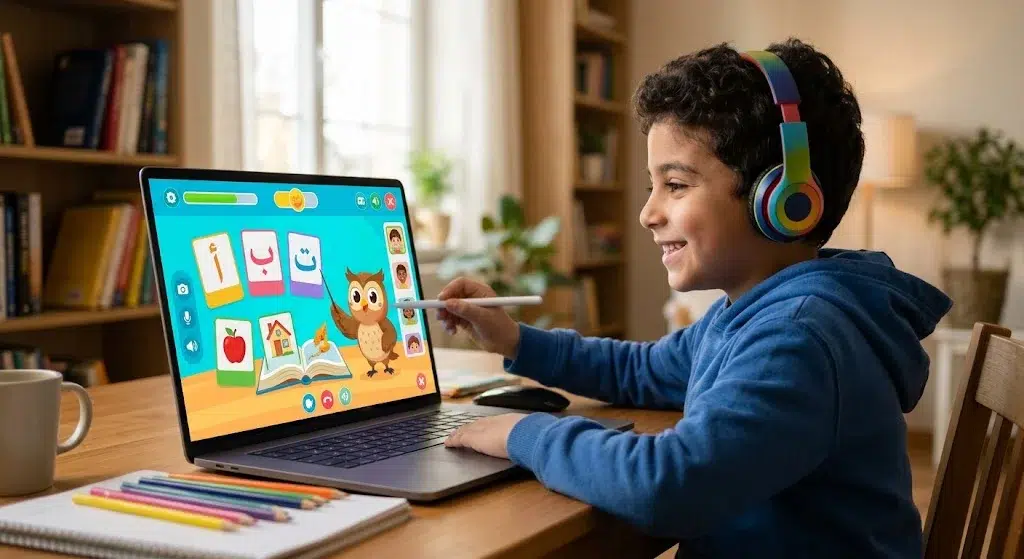
Itqan Network helps children learn Arabic For Kids online** through age-appropriate lessons, interactive activities, structured vocabulary practice, and personalised guidance. Children can gradually develop their Arabic literacy, communication skills, and cultural understanding at a pace suited to their needs.
With qualified tutors and a structured learning approach, Itqan Network supports children at different stages, from recognising Arabic letters to building on existing language skills.
Give your child the opportunity tolearn Arabic For Kids online** with confidence. Explore Itqan’s online Arabic programmes and take the first step towards your child’s Arabic learning journey.
Frequently Asked Questions (FAQs)
What is the best age for children to start when you learn Arabic for kids online?
Children can start as early as 4 or 5 years old. Our early childhood approach uses engaging visuals, games, and gentle repetition to make learning natural and enjoyable.
How do online Arabic classes keep young children focused?
Our Arabic tutors for kids use interactive screen-sharing, reward systems, storytelling, and conversational practice to keep children actively participating throughout the 1-on-1 session.
Will these lessons help my child read the Quran?
Yes! Starting with foundational programs like Noorania Qaida helps children master correct letter articulation, paving the way for smooth Quran recitation and reading.
Are female tutors available for young girls and boys?
Absolutely. Itqan Network provides qualified, Al-Azhar certified male and female teachers to ensure a comfortable and supportive environment for every family.